
Cadets on Parade
1942
No user ratings available yet
Representation score: 1.0 out of 10
Representation Score
Minimal
1939
PassedDirector
William Clemens, Noel M. Smith
Runtime
62 minutes
Average Rating
No ratings yetNew Showbiz Analysis
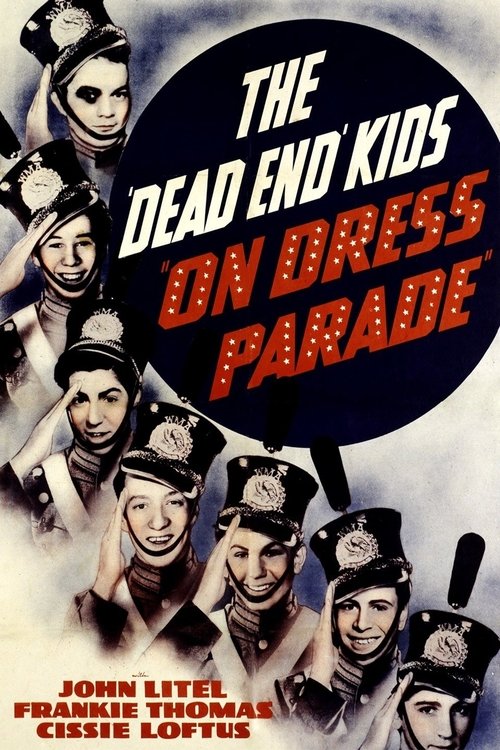
On Dress Parade is a product of the 1939 studio system, emphasizing conventional moral frameworks and standardized narratives. The film serves as a traditional period piece reflecting the social constraints and institutional values of its time. The narrative centers on a young person's adaptation to a military institution, which inherently emphasizes discipline and conformity. This setting reinforces established hierarchies rather than challenging them. Overall, the film offers limited representation of diverse identities. It upholds the era's preference for homogeneous, traditional social structures.
Category Breakdown
The film does not include any characters who identify as LGBTQ+ or have non-cisgender identities. It follows the straight and cisgender norms of the 1939 era.
The story revolves around a military school, emphasizing strict masculine structures and traditional gender roles. It prioritizes male leadership without challenging these hierarchies.
The production reflects the era's tendency towards homogeneous casting. The narrative seems to depict white, Western social structures as the default without diverse representation.
The premise highlights institutional order and traditional authority within a military context. It promotes assimilation into established Western social structures without offering critical perspectives.
There is no indication of characters with visible or invisible disabilities. The film does not address disability as part of its narrative.
Present on Screen
Limited or Absent
Official Synopsis
The final feature in the "Dead End Kids" film series finds a youth trying to adjust to life at a military school.
1942
1933
1941

1932
1950

1939
1936
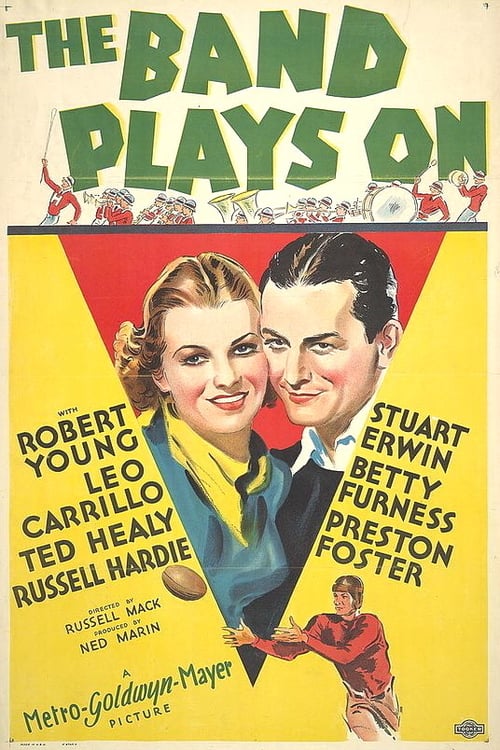
1934
No reviews yet. Be the first to share your thoughts on this movie!
Use the rating form above to leave a star rating and optional review.