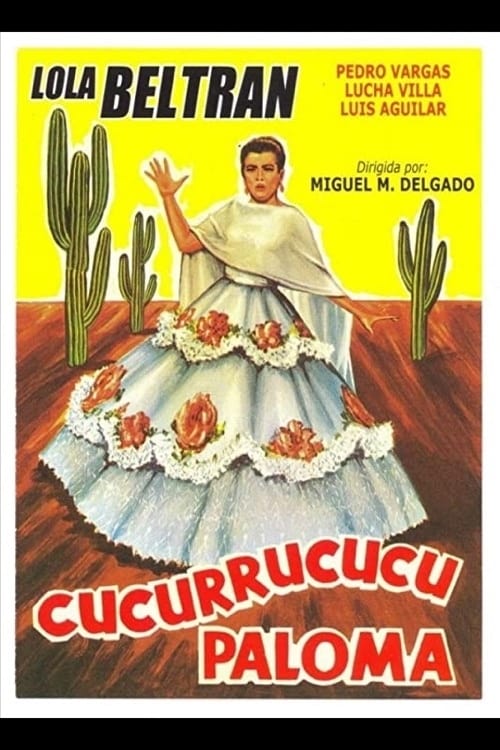
Cucurrucucú Paloma
1965
No user ratings available yet
Representation score: 2.9 out of 10

Representation Score
Limited
1965
Director
Rodolfo Kuhn
Runtime
83 minutes
Average Rating
No ratings yetNew Showbiz Analysis
Rodolfo Kuhn’s modernist approach offers a sophisticated critique of fame and systemic exploitation. By deconstructing the traditional success story, the film provides a nuanced look at how media apparatuses consume individual talent. However, the film remains tied to the social norms of its era. It lacks depth in representing LGBTQ+ identities and disability, limiting its contemporary relevance in these areas. While the film excels at critiquing social and class issues, its gender dynamics remain traditional, reflecting the patriarchal structures of 1960s Argentina.
Category Breakdown
The film does not prominently feature LGBTQ+ characters or storylines. Its focus is on the protagonist's career within a 1960s social context.
The story centers around a male protagonist's existential journey in a patriarchal setting. Female characters are mostly peripheral to the main storyline.
The casting reflects mid-century Argentine demographics with a primarily local cast. The film highlights socioeconomic class distinctions without focusing on racial diversity.
The film critiques traditional power structures and the exploitation of talent by media apparatuses. It explores the tension between urban modernity and rural traditions.
There are no documented instances of characters with disabilities playing a significant role in the narrative.
Present on Screen
Limited or Absent
Official Synopsis
A chronicle of the life and career of a popular singer: his humble origins, his rise to fame, and his exploitation by the media.
1965

2017
1956

1957

1976
2024
2011
1969
No reviews yet. Be the first to share your thoughts on this movie!
Use the rating form above to leave a star rating and optional review.