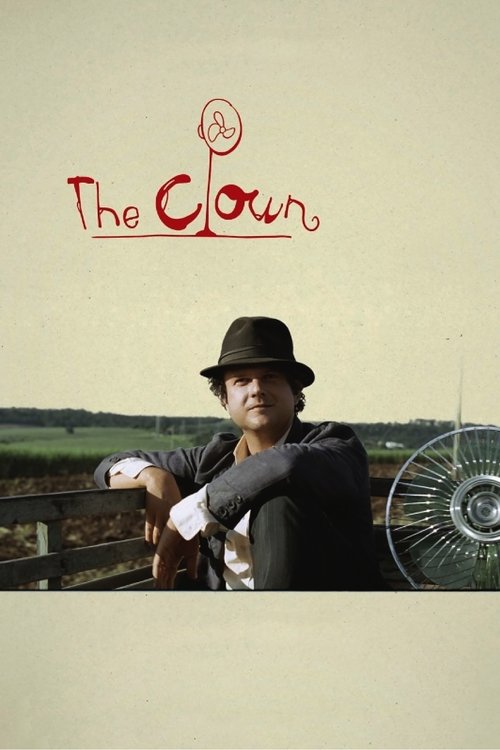
The Clown
2011
No user ratings available yet
Representation score: 5.7 out of 10

Representation Score
Good
2017
Director
Daniel Rezende
Runtime
113 minutes
Average Rating
No ratings yetNew Showbiz Analysis
Bingo: The King of the Mornings is a sophisticated postmodern critique of the media apparatus. It avoids traditional success story clichés, opting instead to deconstruct the artifice of public persona and the fragmentation of identity. The film's strength lies in its cultural specificity and its refusal to offer a moralistic resolution. By focusing on the corrosive nature of fame, it provides a nuanced look at how systemic media pressures impact the individual. However, the film remains limited in its demographic breadth. It lacks significant representation for LGBTQ+ identities and women's ability to drive the story, remaining largely tethered to a male-dominated, 1980s television landscape.
Category Breakdown
The film lacks explicit queer narratives or non-straight relationships. The story focuses on the protagonist's relationship with fame rather than sexual or gender identity politics.
The narrative is heavily centered on the male experience and psychological isolation. It lacks significant women's ability to drive the story or a meaningful challenge to gender hierarchies within the 1980s television setting.
The film provides a non-Anglo-Saxon perspective by grounding itself in the socioeconomic realities of Rio de Janeiro. It disrupts Western-centric storytelling through its specific Brazilian cultural lens.
The film excels in critiquing the commodification of personality within the television industry. It deconstructs the spectacle of mass communication and the hollow pursuit of institutional success.
Mental health and psychological fragmentation serve as central themes. However, these elements function as a character study of alienation rather than a dedicated exploration of neurodivergence.
Present on Screen
Limited or Absent
Official Synopsis
1980s. Brazilian television exploding in color and auditorium programs not so politically correct. In the middle of this fervor, Augusto Mendes, a young rising actor, seeks his place in the sun. From porn studios to soap operas, he finally finds success and fame when he becomes "Bingo", a TV host clown from one of the audience leader TV shows for children. It turns out that behind the rice powder and red nose, nobody knows who he is.
2011
1982

1965
2016
1982

1997
2003
2019
No reviews yet. Be the first to share your thoughts on this movie!
Use the rating form above to leave a star rating and optional review.