The Black Tent
1956
No user ratings available yet
Representation score: 1.9 out of 10
Representation Score
Minimal
1955
ApprovedDirector
Brian Desmond Hurst
Runtime
99 minutes
Average Rating
No ratings yetNew Showbiz Analysis
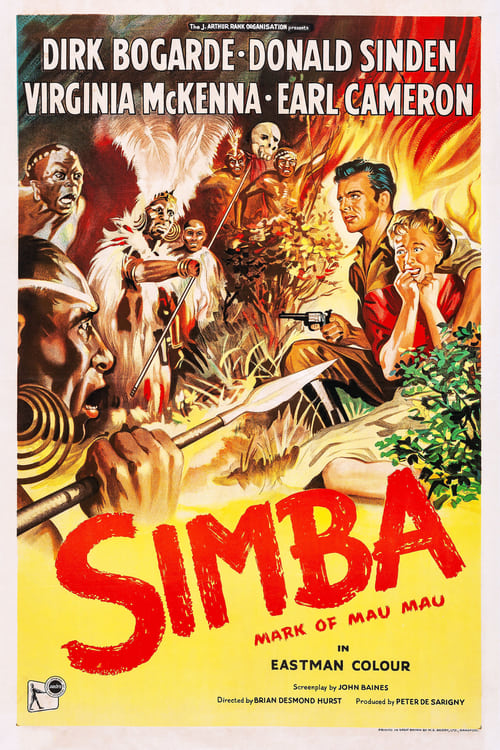
Simba serves as a period piece capturing the tumultuous times of the Mau-Mau Uprising in Kenya. While it addresses historical conflict, the narrative remains centered in a Western perspective that emphasizes the experiences of European settlers. The film steers clear of the most extreme racial stereotypes common in mid-century cinema. However, it falls short of providing a nuanced portrayal of indigenous populations or challenging established social hierarchies. Overall, the film reflects the mid-century focus on maintaining colonial continuity. It presents a drama of political upheaval without addressing underrepresented identities or progressive social issues.
Category Breakdown
The film does not include any LGBTQ+ characters or non-straight relationships. The story adheres to traditional romantic and family structures typical of the 1950s.
Female characters play key roles in the domestic drama but their influence is often constrained by political conflicts. The film upholds traditional gender roles within the colonial setting.
The story highlights the ability to act of the African uprising against colonial rule. However, the perspective is primarily from the viewpoint of European settlers, maintaining a traditional Western outlook.
The film examines the tension between Western governance and indigenous sovereignty during the Mau-Mau rebellion. It portrays the uprising as a destabilizing force for the established social order.
There are no prominent depictions of visible or invisible disabilities. No character's arc is defined by physical impairment or neurodivergence.
Present on Screen
Limited or Absent
Official Synopsis
A European family in East Africa finds itself caught up in an uprising by local black Africans against their white colonial masters. Based on the Mau-Mau rebellion in Kenya in the early 1950s.
1956
2007
1957
1954
1957
1966
2013
1961
No reviews yet. Be the first to share your thoughts on this movie!
Use the rating form above to leave a star rating and optional review.