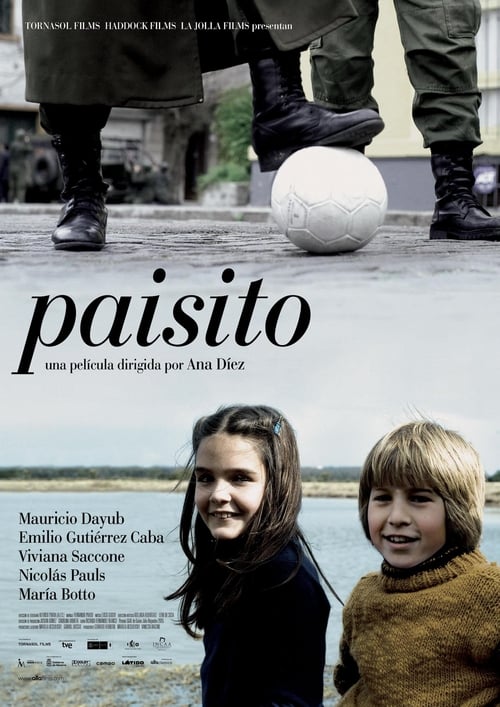
Small Country
2008
No user ratings available yet
Diversity score: 6.4 out of 10

2004
RDirector
John Boorman
Runtime
103 minutes
Average Rating
No ratings yetSynopsis
An American reporter and an Afrikaans poet meet and fall in love while covering South Africa's Truth and Reconciliation Commission hearings.
Overall Score
Fair
Category Breakdown
LGBTQ+ Representation
The film lacks explicit LGBTQ+ characters or non-heteronormative romantic arcs. The narrative focus remains strictly on the central romantic tension between the American reporter and the Afrikaans poet.
Gender Representation
The film disrupts patriarchal structures by centering its emotional weight on a female protagonist. Her agency is tied to her intellectual engagement with the country's shifting identity, challenging masculine-coded dominance.
Racial & Ethnic Diversity
The film excels in depicting racial friction within post-apartheid South Africa. It prioritizes the agency of Black South Africans through the Truth and Reconciliation Commission, avoiding a monolithic view of race.
Religious & Cultural Diversity
The narrative critiques colonialist structures and traditional Western-aligned hierarchies. It portrays the transition to democracy as a complex, morally ambiguous process of reconciliation rather than a simple triumph.
Disability Representation
While the film explores psychological and social trauma, there is no prominent focus on visible or invisible disabilities. Representation in this category is minimal and not a central thematic component.
Strengths
Areas for Improvement
AI Analysis
In My Country offers a sophisticated post-colonial narrative that examines the dissolution of apartheid-era hierarchies. It succeeds by centering the Truth and Reconciliation Commission to explore systemic power shifts and the complexities of land redistribution. The film's strength lies in its nuanced portrayal of racial and cultural transitions. It avoids easy moral binaries, instead embracing the turbulence of a nation dismantling old institutions and redefining its identity. However, the film is limited by a lack of LGBTQ+ and disability representation. While it handles gender and race with intellectual depth, these specific identity-based narratives are largely absent from the story.
2008
1996
1996

1990
2013

1996
1955
2012
2014
2007

2020
2000
No reviews yet. Be the first to share your thoughts on this movie!
Use the rating form above to leave a star rating and optional review.