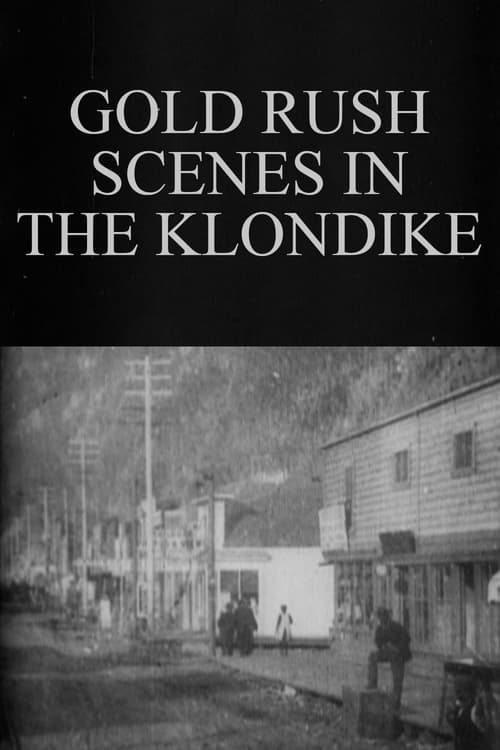
Gold Rush Scenes in the Klondike
1899
No user ratings available yet
Representation score: 0.3 out of 10

Representation Score
Minimal
1957
Director
Wolf Koenig, Colin Low
Runtime
22 minutes
Average Rating
No ratings yetNew Showbiz Analysis
City of Gold is a seminal observational documentary that captures the Klondike Gold Rush through a unique blend of contemporary footage and archival stills. While it provides an invaluable visual record of human endurance against a harsh landscape, its perspective is deeply rooted in the historical era it depicts. The film serves as a chronicle of Western colonial movement and economic expansion. By prioritizing the demographic realities of the late 19th century, the narrative remains centered on the dominant social groups of that period, such as white male prospectors. Ultimately, the work is a traditional historical study rather than a modern critique of social hierarchies. It documents the mechanics of the gold rush without engaging in contemporary multi-layered themes or challenging the era's inherent social constraints.
Category Breakdown
The film focuses solely on the socio-economic impact of the gold rush and does not include any LGBTQ+ characters or narratives related to non-straight identities.
The narrative highlights the male-dominated society of the 1890s Klondike era. The visuals emphasize male prospectors, while female characters have little influence in the historical context.
The film captures the predominantly white population involved in the gold rush. It does not significantly highlight the Indigenous peoples of the Yukon.
The documentary focuses on the pursuit of wealth and the struggle against nature. It aligns with traditional Western narratives of frontier expansion and personal resilience.
The documentary centers on the environmental challenges and the physical demands of the landscape. It does not depict individuals with visible or invisible disabilities.
Present on Screen
Limited or Absent
Official Synopsis
Classic short film depicts the Klondike gold rush at its peak, when would-be prospectors struggled through harsh conditions to reach the fabled gold fields over 3000 km north of civilization. Still photographs juxtapose Dawson City today against its bustling height in the gold rush.
1899

1977
1898
2014
2013
1897
2021
1897
No reviews yet. Be the first to share your thoughts on this movie!
Use the rating form above to leave a star rating and optional review.