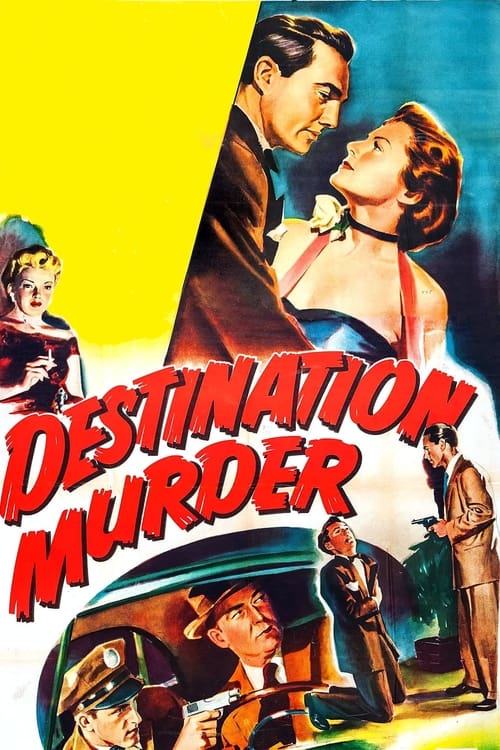
Destination Murder
1950
No user ratings available yet
Diversity score: 1.7 out of 10
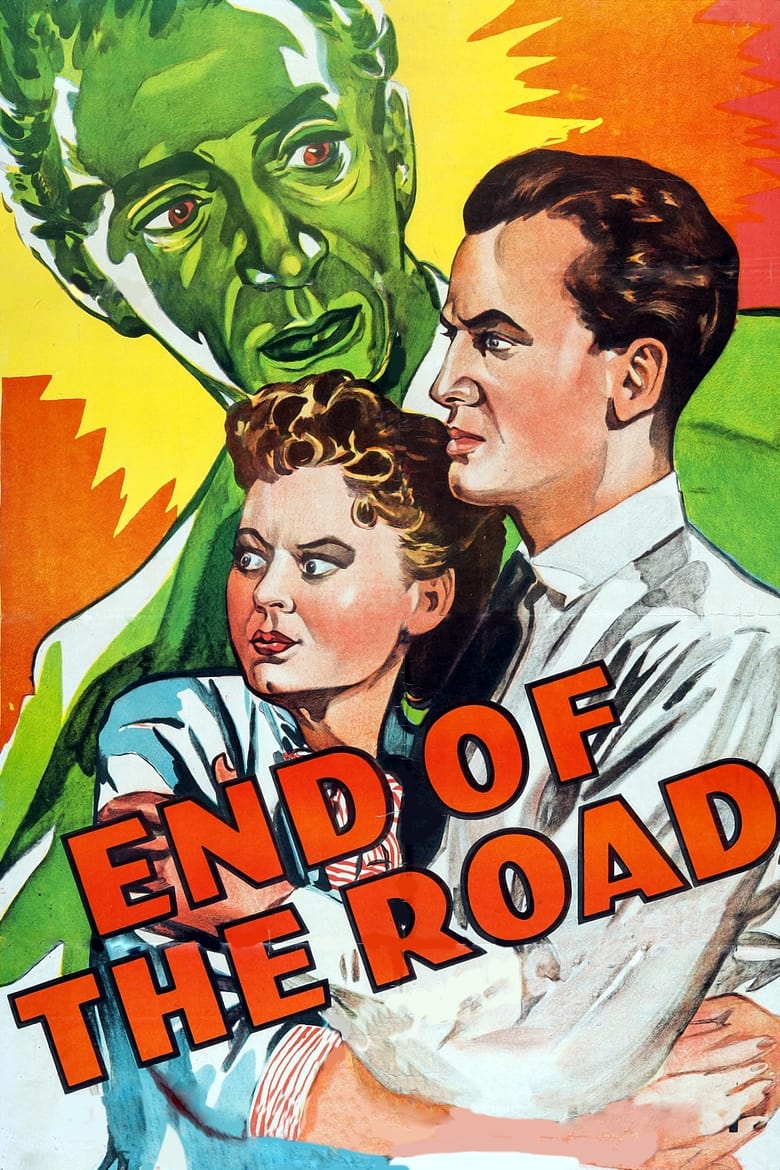
1944
NRDirector
George Blair
Runtime
51 minutes
Average Rating
No ratings yetSynopsis
A crime writer believes that a man imprisoned for committing the notorious "Flower Shop Murder" is innocent of the crime. He believes he knows who the actual culprit is, and sets out to befriend the man and get enough evidence to prove that he is the real killer.
Overall Score
Minimal
Category Breakdown
LGBTQ+ Representation
The film lacks any evidence of non-cisnormative identities. It operates within standard 1944 social parameters without challenging heteronormative structures.
Gender Representation
Agency is concentrated in the male protagonist, a crime writer driving the plot. Female characters, such as Joan Leslie, serve primarily as catalysts for the mystery.
Racial & Ethnic Diversity
The cast appears homogeneous, reflecting the era's tendency to center Anglo-Saxon perspectives. There is no evidence of diverse ethnic identities or color-blind casting.
Religious & Cultural Diversity
The story emphasizes individual morality and the legal process. It prioritizes objective truth over moral relativism, aligning with the traditionalist values of the period.
Disability Representation
There is no evidence of characters navigating physical or neurodivergent disabilities. The film does not utilize disability as a narrative device.
Strengths
Areas for Improvement
AI Analysis
End of the Road is a quintessential mid-century crime thriller that adheres strictly to the social hierarchies of 1944. The narrative is built upon traditional genre tropes, centering on a male-driven investigation of individual guilt. The film functions as a conservative text that reinforces conventional gendered and racial norms. It lacks the structural complexity to engage with intersectional frameworks, focusing instead on a singular male protagonist's pursuit of truth. Ultimately, the production does not attempt to disrupt systemic power dynamics or include marginalized identities, remaining a product of its specific historical era.
1950
1953
1946
1928
1948
1950
1939
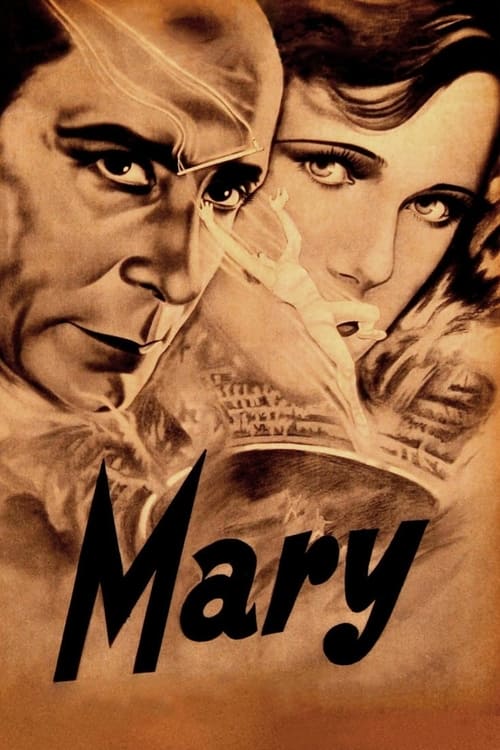
1931
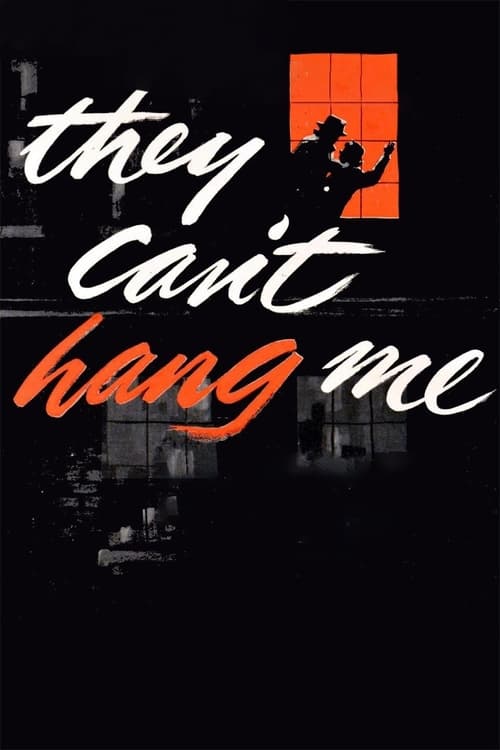
1955
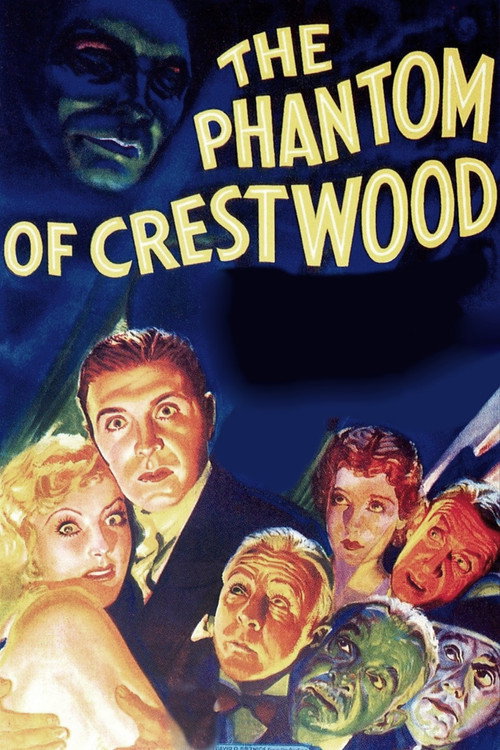
1932
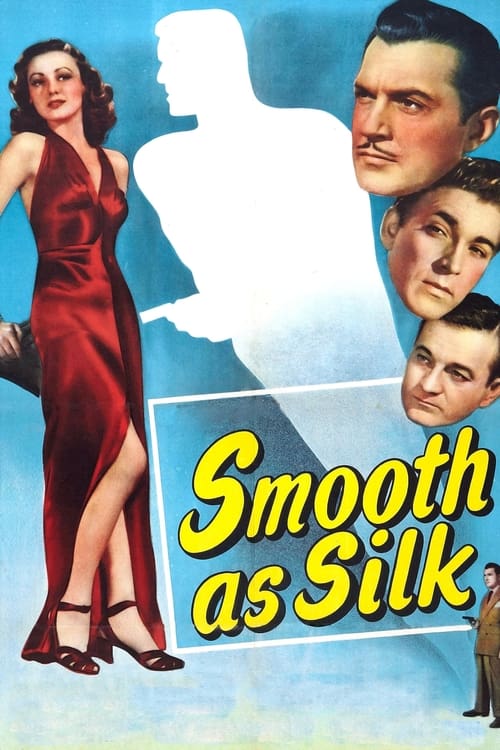
1946
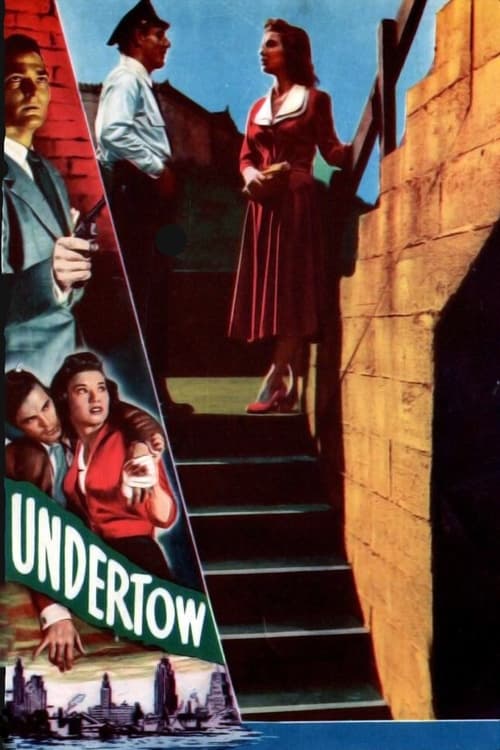
1949
No reviews yet. Be the first to share your thoughts on this movie!
Use the rating form above to leave a star rating and optional review.