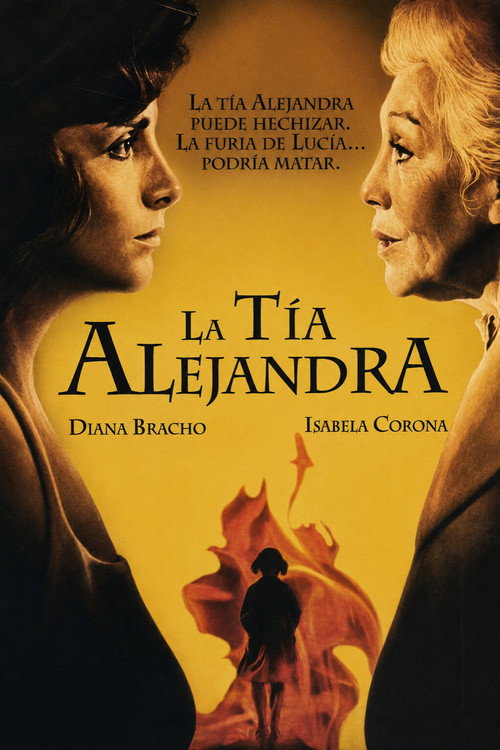
Aunt Alejandra
1980
No user ratings available yet
Representation score: 8.8 out of 10
Representation Score
Limited
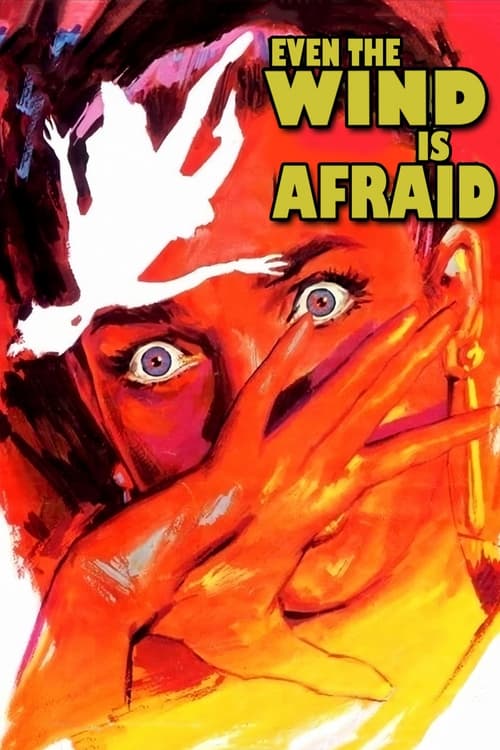
1968
TV-14Director
Carlos Enrique Taboada
Runtime
88 minutes
Average Rating
No ratings yetNew Showbiz Analysis
Carlos Enrique Taboada’s horror classic functions as a sophisticated critique of institutional rigidity. By framing the household and its strict governess as oppressive forces, the film deconstructs the cliché of the stable, nurturing authority figure. The work serves as a significant cultural artifact of Mexican cinema. It captures the socioeconomic realities of the era while offering a subtextual commentary on the political unrest and systemic control prevalent in 1968 Mexico. While the film lacks diverse identity representation, its strength lies in its psychological depth and its rejection of stifling, traditionalist morality.
Category Breakdown
The film does not include any LGBTQ+ characters or narratives. It focuses on domestic and psychological tensions within a traditional setting.
The narrative challenges traditional gender roles by centering power on female figures. A strict governess replaces the nurturing maternal figure with a commanding, disciplined presence.
The film accurately portrays the socioeconomic realities of the Mexican landed class. It maintains an authentic depiction of the Mexican upper-middle class without whitewashing.
The story critiques institutional structures and rigid authority. It uses the breakdown of traditional social contracts as a metaphor for systemic oppression.
No specific physical or neurodivergent disabilities are central to the plot. However, the characters' psychological distress drives the narrative arc.
Present on Screen
Limited or Absent
Official Synopsis
A group of college students, led by Claudia, decide to investigate a local tower that has figured prominently in disturbing reoccurring dreams Claudia has been having. They are suspended from school for their antics, but Claudia learns from one of the female staff members that the person in the dream is a student who killed herself years before and that the headmistress has seen her ghost.
1980

1969
2007
1960
1975
1972
1969

1961
No reviews yet. Be the first to share your thoughts on this movie!
Use the rating form above to leave a star rating and optional review.