Inner Life
1987
No user ratings available yet
Representation score: 4.8 out of 10
Representation Score
Minimal
2010
GDirector
Dan Nathan
Runtime
12 minutes
Average Rating
No ratings yetNew Showbiz Analysis
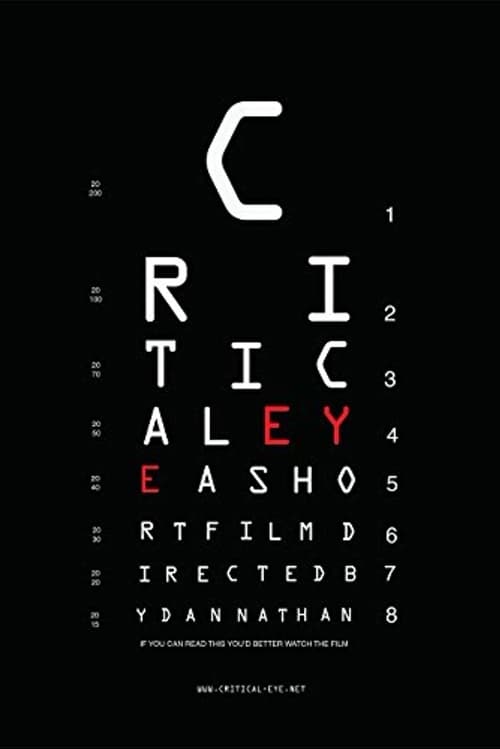
Critical Eye is a character study focused on the personal misery of a cynical film critic. The narrative structure prioritizes the deterioration of a traditional domestic relationship over broader social themes. Because the story centers on a single male figure's professional and marital dissatisfaction, it lacks the multi-layered depth required for a higher diversity rating. The film appears to operate within conventional storytelling frameworks. Ultimately, the film lacks identifiable representation across most underrepresented categories, resulting in a narrow, individualistic perspective.
Category Breakdown
The story centers on a heterosexual marriage and does not include any LGBTQ+ characters or critiques of the assumption that everyone is straight or cisgender.
The film focuses on a male protagonist defined by his professional authority. The wife's role and ability to act remain unclear, leaving the film's stance on gender hierarchies unexamined.
The narrative provides no information regarding the racial or ethnic composition of the cast. There is no evidence of diverse casting or ethnic representation.
The plot explores individual cynicism and personal dysfunction. It lacks a broader systemic critique of religious or cultural institutions.
The character descriptions do not mention neurodivergence, mental health conditions, or physical disabilities.
Present on Screen
Limited or Absent
Official Synopsis
Miserable critic, Brian Tanner, is famous for his vicious film reviews on his TV show Critical Eye. Over the years, he's grown to hate pretty much everything he sees, including his wife.
1987

2008
1998

2002

2003
2011

2014
2023
No reviews yet. Be the first to share your thoughts on this movie!
Use the rating form above to leave a star rating and optional review.