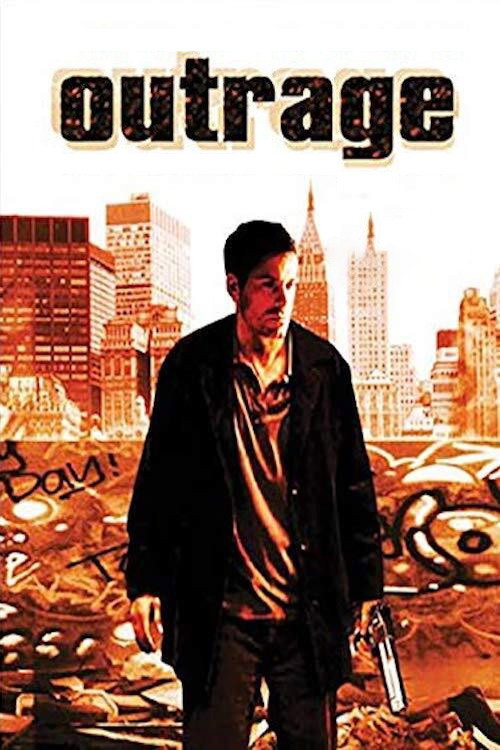
Outrage
1998
No user ratings available yet
Representation score: 1.1 out of 10

Representation Score
Limited
1991
NRDirector
James Steven Sadwith
Runtime
90 minutes
Average Rating
No ratings yetNew Showbiz Analysis
In Broad Daylight is a psychological study of small-town dysfunction rather than a diverse ensemble piece. It prioritizes the deconstruction of social structures over demographic breadth, resulting in a narrow focus on a homogeneous community. The film finds its strength in cultural critique, challenging the sanctity of legal and social institutions. It portrays community loyalty not as a virtue, but as a mechanism that facilitates injustice and protects the status quo. However, the lack of racial and LGBTQ+ representation limits the film's scope. While it provides a sharp look at systemic failure, it does so through a very specific, non-multi-layered lens.
Category Breakdown
The film does not include any LGBTQ+ characters or storylines. The narrative focuses solely on interpersonal conflicts within a traditional Southern setting.
The story centers on the vulnerability and active roles of women facing systemic threats. While it explores female experiences of community violence, it occasionally relies on traditional clichés of women as victims.
The cast is predominantly white, reflecting the 1991 Southern setting. The film lacks characters who reflect more than one aspect of diversity, focusing instead on a homogeneous social unit.
The film offers a sophisticated critique of Western institutions, portraying the legal system and community reputation as corrupt tools. It frames collective silence as a form of systemic complicity.
There are no significant depictions of physical or neurodivergent disabilities. Physical injuries in the film serve as plot catalysts rather than explorations of lived experience.
Present on Screen
Limited or Absent
Official Synopsis
The fanatically uncompromising Len Rowan and his family insult and terrorize the citizens of a small town for years. One day the comment of a saleswoman about Len's son not being able to pay his sweets triggers off his persecution complex. As revenge for the believed insult, the whole family starts stalking the shop owner and her husband... until this escalates and the old man gets badly injured. Len is arrested, but gets off, free on bail. His clever attorney delays the court session for more than a year - while Rowan keeps threatening the witnesses. But then, the people feel they've had enough of this and decide to take the law in their own hands...
1998

1981
1991
1962
1991
2008
1995

1983
No reviews yet. Be the first to share your thoughts on this movie!
Use the rating form above to leave a star rating and optional review.