Steambath
1973
No user ratings available yet
Representation score: 3.7 out of 10
Representation Score
Fair
1970
Not RatedDirector
Paul Stanley
Runtime
100 minutes
Average Rating
No ratings yetNew Showbiz Analysis
Sole Survivor is a period piece that reflects the demographic limitations of 1970s television. The cast and character dynamics are largely homogeneous, focusing on a Western military unit with limited racial or LGBTQ+ representation. While the film does not offer multi-layered diversity, it provides psychological depth by deconstructing the concept of military honor. It shifts away from standard procedurals by portraying its protagonist as a potential coward rather than a perfect hero. Ultimately, the film's strength lies in its thematic exploration rather than demographic diversity. It delves into moral accountability through a traditional, male-centric lens.
Category Breakdown
The film does not include any characters with non-binary or LGBTQ+ identities, nor does it depict any same-sex relationships. It follows the assumption that everyone is straight and cisgender, which was common in 1970s television.
The story revolves around masculine characters and military hierarchies. Although it challenges the idea of the infallible male soldier, the roles remain predominantly male.
The cast seems to consist mainly of white, Anglo-Saxon actors. There is no indication of diverse ethnic backgrounds among the cast or the investigative team.
The narrative questions traditional heroism by examining the virtues of military figures. It emphasizes personal responsibility and the importance of respectful burials.
There are no characters with physical or neurodivergent disabilities who have significant roles. The ghosts serve as metaphysical plot devices rather than representing real-life experiences.
Present on Screen
Limited or Absent
Official Synopsis
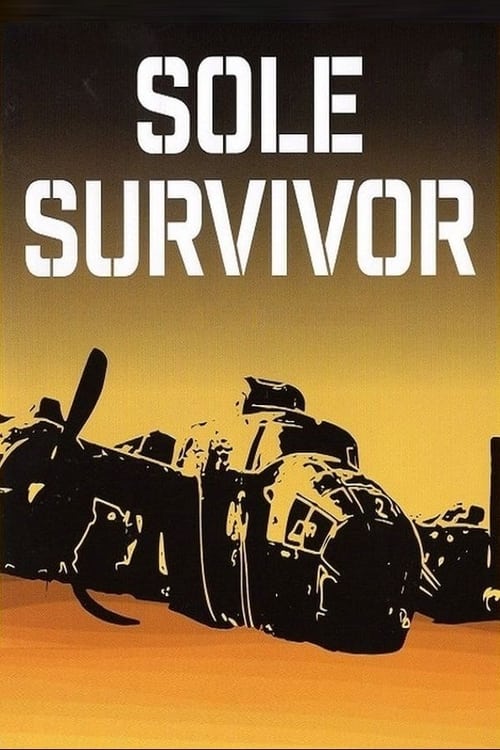
In 1960, the ruins of an American bomber were found in the Libyan desert, but the remains of the crew were never located. In Guerdon Trueblood's teleplay, the ghosts of a bomber crew hang around their derelict plane, awaiting the day that their bones will be recovered and given a decent burial. The sole survivor, navigator Russell Hamner, has in the intervening 25 years become a General. He joins an investigation team that has come across the wreckage, while the ghosts, headed by Major Devlin, plot to expose Hamner as a coward who deserted his post and left his crew mates to die.
1973

1962

1978

2021

1981

1989

1973

1984
No reviews yet. Be the first to share your thoughts on this movie!
Use the rating form above to leave a star rating and optional review.