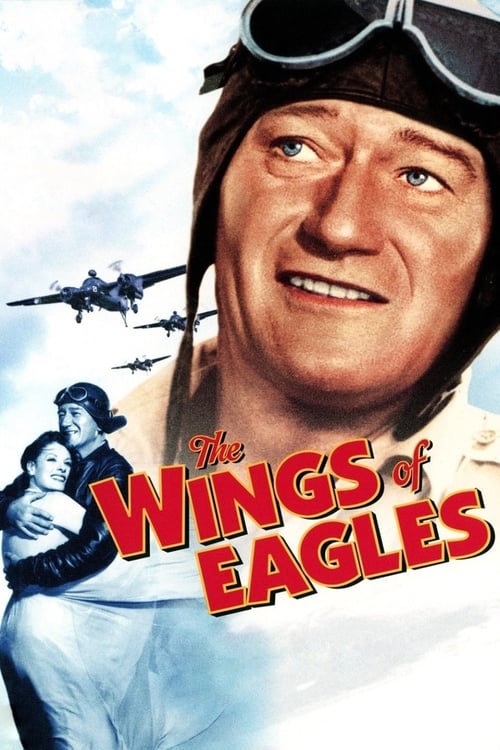
The Wings of Eagles
1957
No user ratings available yet
Representation score: 2.0 out of 10
Representation Score
Minimal
1955
NRDirector
Otto Preminger
Runtime
100 minutes
Average Rating
No ratings yetNew Showbiz Analysis
Otto Preminger’s biographical drama highlights the conflict between technological progress and bureaucratic traditions. It emphasizes historical accuracy and institutional conflict over modern diversity. The film reflects the social structures of its era, focusing on the struggles of male officers for authority. While it offers a nuanced look at institutional power, it lacks diversity in many identity categories. Ultimately, the film is a period-specific exploration of individual resolve against a static military system, grounded in the demographic realities of the early 20th century.
Category Breakdown
The film follows the social norms of the mid-1950s, showing no evidence of LGBTQ+ identities or same-sex relationships. It centers on traditional masculine roles.
The story focuses mainly on male characters, with women playing minor roles in domestic settings. Female characters have little influence on the main plot.
The cast is mostly white, reflecting the demographics of the U.S. Army during that time. Characters of color have limited roles and influence.
The film critiques the rigid bureaucracy of a major Western military organization. It portrays the protagonist as a progressive force challenging institutional norms.
There are no characters with visible or invisible disabilities. None of the character arcs are defined by physical or cognitive impairments.
Present on Screen
Limited or Absent
Official Synopsis
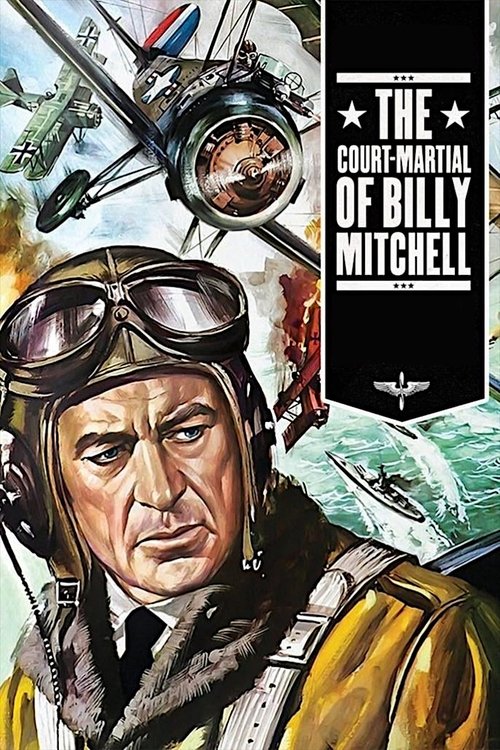
A dramatization of the American general and his court martial for publically complaining about High Command's dismissal and neglect of the aerial fighting forces.
1957
1949

1960

1942
1943
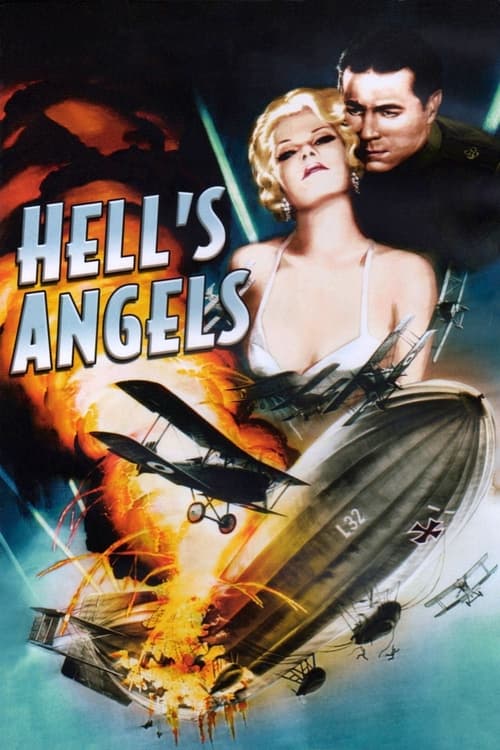
1930
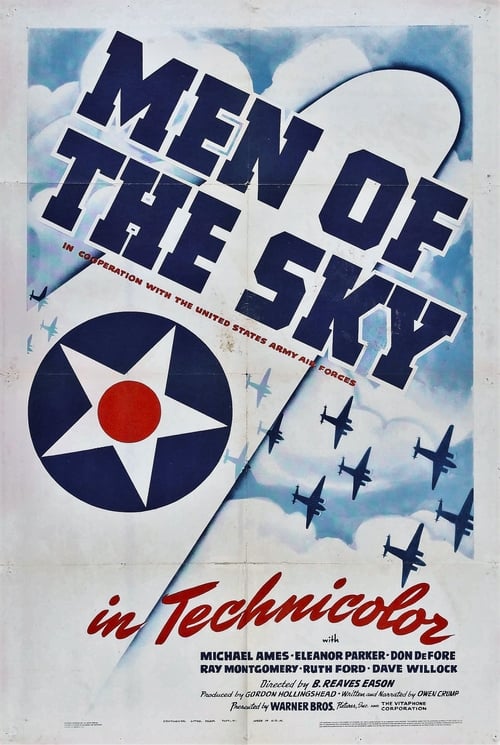
1942
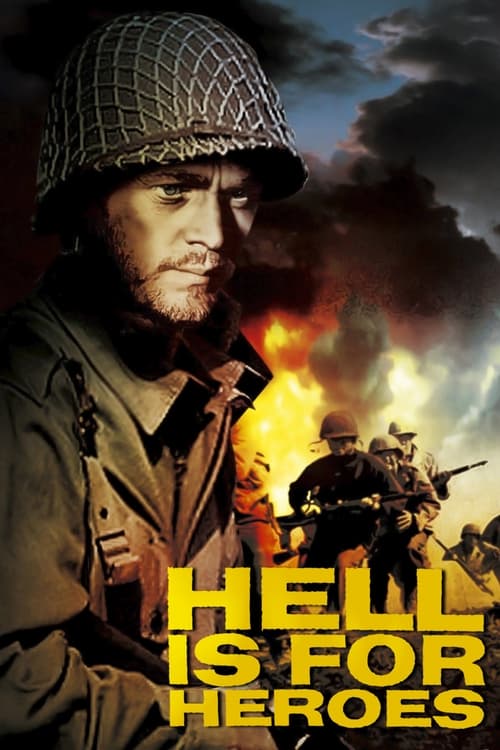
1962
No reviews yet. Be the first to share your thoughts on this movie!
Use the rating form above to leave a star rating and optional review.