
You're Invited: The Making of Night of the Demons
2014
No user ratings available yet
Representation score: 3.2 out of 10
Representation Score
Minimal
2003
Director
Michele Farinola
Runtime
87 minutes
Average Rating
No ratings yetNew Showbiz Analysis
The documentary functions as a historical record of the 1978 production process. It relies on interviews with John Carpenter, Jamie Lee Curtis, and key crew members to explain how a $325,000 budget drove technical ingenuity. The content is factual, focusing on budget constraints and the creation of an influential horror film. The cast is predominantly white, with Moustapha Akkad as a notable exception. Gender roles reflect the era, with men leading the technical discussion and women discussing their acting and writing roles. The narrative centers on male directors and technical crew, mirroring the industry dynamics of the late 1970s. There is no focus on modern social identity issues. The film serves as a behind-the-scenes look at the making of Halloween, distinguishing between technical achievements and narrative choices. It treats the subject with professional respect, avoiding ideological critique in favor of documenting the production history.
Category Breakdown
No LGBTQ+ characters, relationships, or identities appear in the interviews or archival footage. The focus remains strictly on the 1978 film’s production history without addressing modern identity topics.
Jamie Lee Curtis and Debra Hill discuss their roles and creative input. However, the narrative centers on male directors and technical crew, reflecting the industry dynamics of the late 1970s.
Primary interviewees are white American filmmakers and actors. Moustapha Akkad, a Syrian-American producer, appears as a key figure, but no other racial or ethnic diversity is present in the cast or crew discussions.
The film honors the craft of filmmaking and the success of a low-budget independent project. It treats the horror genre and the 1978 cultural moment as subjects of professional respect rather than ideological critique.
No characters or interviewees discuss disability. The archival footage from the original film does not feature disabled characters as central to the plot or production story.
Present on Screen
Limited or Absent
Official Synopsis
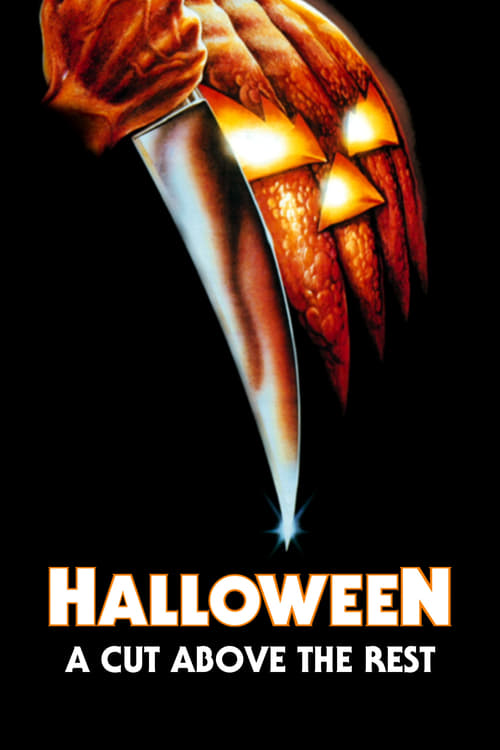
Using original interviews with director John Carpenter, stars Jamie Lee Curtis and P.J. Soles, and crew members, 'Halloween': A Cut Above the Rest unveils the production of the horror classic and how the ingenuity of Carpenter and his team, coupled with the shoestring budget of $325,000, drove the filmmakers to create one of the most influential horror films of all time.
2014
2019
2011
2010

2005
2004
2021
2006
No reviews yet. Be the first to share your thoughts on this movie!
Use the rating form above to leave a star rating and optional review.