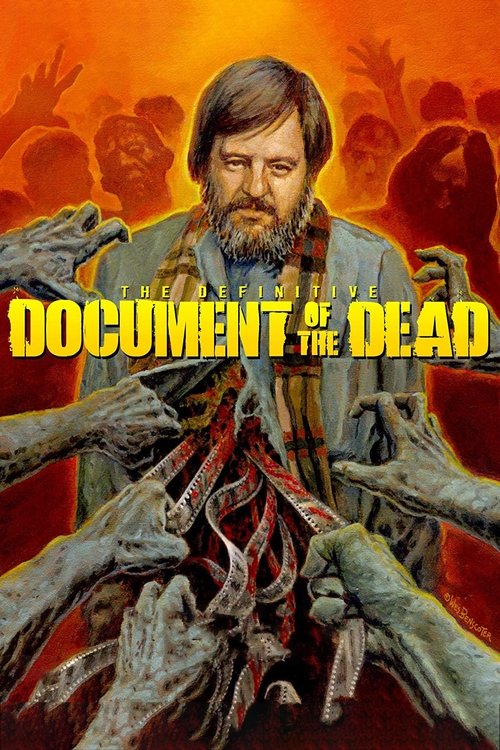
Document of the Dead
1981
No user ratings available yet
Representation score: 3.8 out of 10
Representation Score
Fair
2004
Director
Perry Martin
Runtime
75 minutes
Average Rating
No ratings yetNew Showbiz Analysis
The documentary serves as a historical record of George A. Romero’s career and the making of a genre landmark. It offers a platform for the original cast and crew, providing a nuanced look at the people behind the production. While the film does not actively pursue a modern progressive agenda, it engages with the social critiques inherent in Romero's work. Ultimately, the representation reflects the era being studied, providing valuable context for the social tensions of the 1970s without centering on contemporary identity politics or specific underrepresented narratives.
Category Breakdown
The documentary focuses on the production history and technical aspects rather than LGBTQ+ narratives. There are no explicit LGBTQ+ character arcs or identities highlighted.
The film includes interviews with the original cast, providing a platform for female contributors to the horror genre. However, it reflects a time when technical roles were predominantly male.
The documentary discusses George A. Romero’s approach to casting and crew perspectives. Representation aligns with 1970s industry standards rather than modern multi-layered efforts.
The documentary examines how Romero used the zombie genre to critique capitalism and societal dysfunction. It showcases cinema's capacity to challenge Western institutions.
Disability, neurodivergence, or chronic illness are not central themes or subjects of discussion in this retrospective.
Present on Screen
Limited or Absent
Official Synopsis
Feature documentary which profiles both the 1978 film and the career of director George A. Romero, including extensive interviews with all principle cast members and production personnel.
1981
2019

2008

2014
2014

2011
2009
2006
No reviews yet. Be the first to share your thoughts on this movie!
Use the rating form above to leave a star rating and optional review.