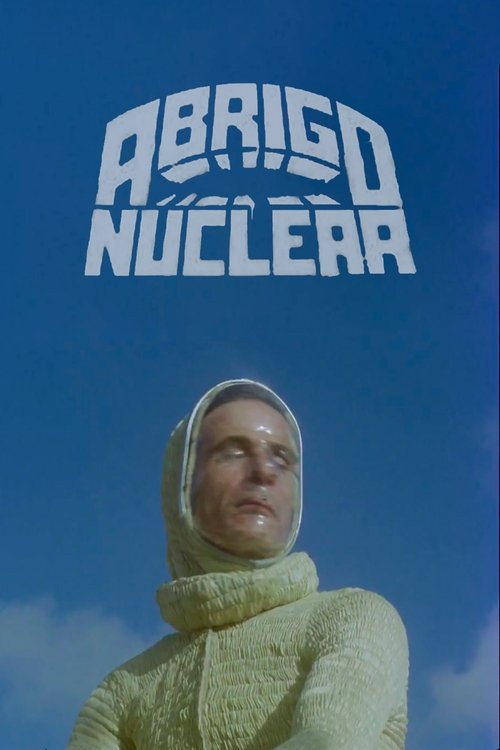
Nuclear Shelter
1981
No user ratings available yet
Diversity score: 4.8 out of 10
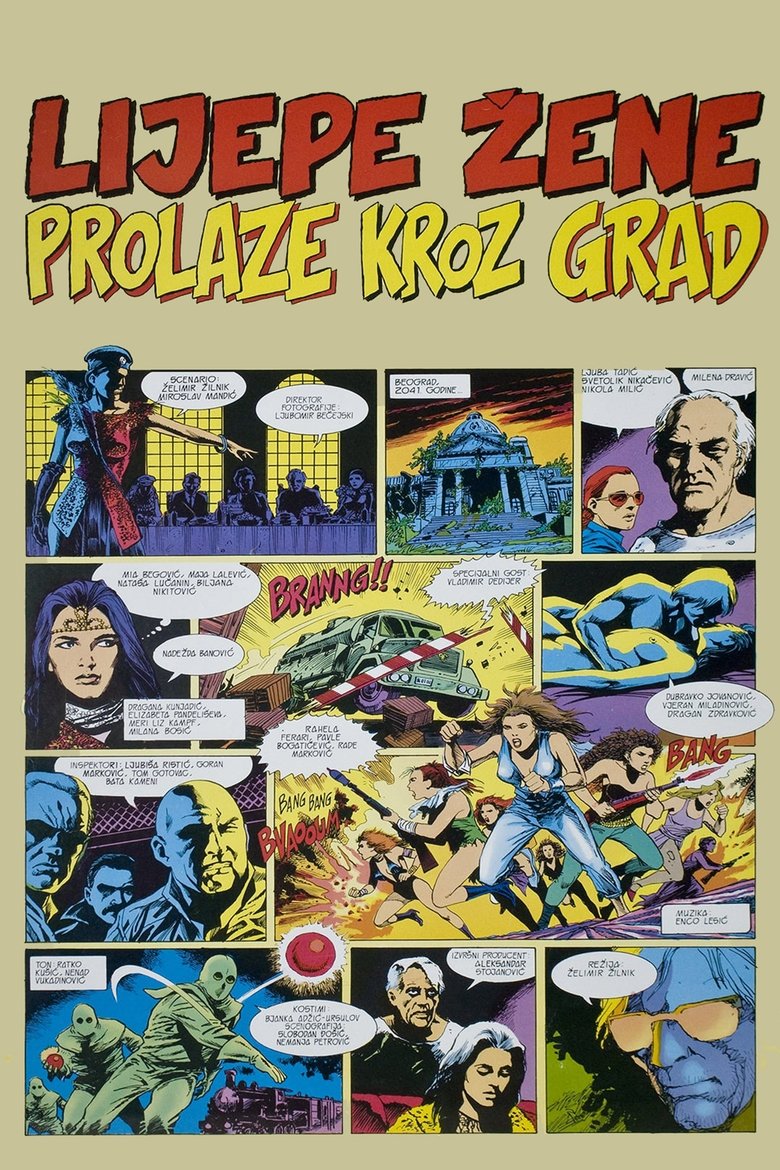
1986
Director
Želimir Žilnik
Runtime
100 minutes
Average Rating
No ratings yetSynopsis
Belgrade in 2041 is a deserted city that looks like a dump yard. A few old men try to bring up a group of young girls in the old, traditional way of their Yugoslav ancestors.
Overall Score
Good
Category Breakdown
LGBTQ+ Representation
The narrative focuses on generational and gendered conflicts rather than explicit queer identities. There is no evidence of non-cisnormative characters or specific LGBTQ+ storylines within the film's speculative setting.
Gender Representation
The film centers on the tension between female autonomy and patriarchal imposition. By depicting young women raised by old men under traditional rules, it critiques rigid gender hierarchies and domestic roles.
Racial & Ethnic Diversity
Set in Belgrade, the film explores the legacy of Yugoslavian ancestry. While it focuses on specific cultural lineages, the dystopian setting suggests a breakdown of monolithic ethnic frameworks.
Religious & Cultural Diversity
The story critiques traditional institutions by pitting ancestral ways against a decaying, post-industrial landscape. It uses a deserted city to challenge the relevance of historical social structures and nationalist ideals.
Disability Representation
The film provides no specific details or visible portrayals regarding physical or neurodivergent characters.
Strengths
Areas for Improvement
AI Analysis
Želimir Žilnik’s science fiction work uses a dystopian Belgrade to examine the friction between individual agency and institutionalized norms. The film's strength lies in its speculative critique of traditionalism, pitting a younger generation against the rigid, ancestral frameworks of their predecessors. The narrative architecture effectively disrupts conventional expectations by focusing on the struggle for female autonomy within a male-dominated social order. This creates a compelling tension between the old world and a decentralized future. However, the film lacks explicit representation of LGBTQ+ identities and provides no information regarding disability. The focus remains primarily on gendered and cultural conflicts within a specific Yugoslavian historical context.
1981
1992

1996
1995
2007

2008
2017
2020
1973

1993
1989
1967
No reviews yet. Be the first to share your thoughts on this movie!
Use the rating form above to leave a star rating and optional review.