The White Dove
1989
No user ratings available yet
Representation score: 4.8 out of 10
Representation Score
Fair
2004
Director
Juan Madrid
Runtime
100 minutes
Average Rating
No ratings yetNew Showbiz Analysis
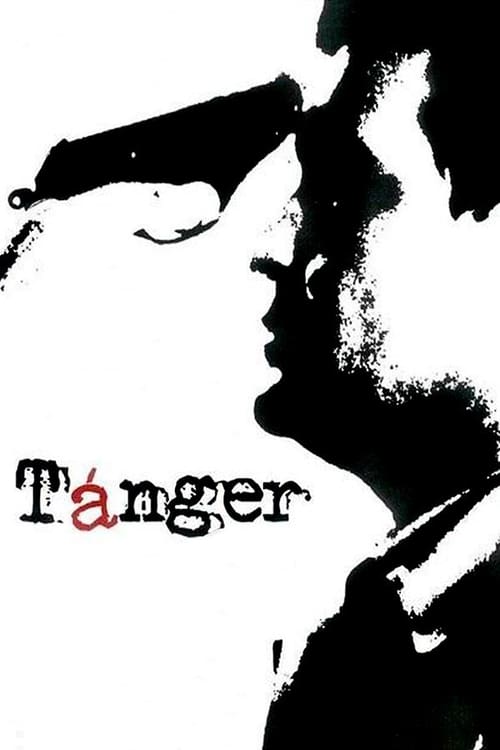
Tánger is a gritty, character-driven drama that dismantles traditional social and familial structures. It avoids idealized archetypes, opting for a morally ambiguous landscape where characters grapple with addiction and illicit legacies. The film successfully presents a multicultural perspective, using its setting and character names to move beyond standard Western homogeneity. This creates a more globally diverse atmosphere. However, the narrative lacks explicit LGBTQ+ representation and specific depictions of disability. While it challenges traditional patriarchal norms, the focus remains on a central heterosexual conflict and individual moral struggles.
Category Breakdown
The main plot centers around a heterosexual relationship between Abdul and Lidia. Although Jorge Perugorria's casting suggests potential for nuanced character development, there is no explicit portrayal of non-straight or non-cisgender identities.
The film challenges traditional masculine roles by depicting the father as unreliable and involved in shady dealings. The protagonist's addiction further complicates the typical provider and protector roles.
The film sets up a multicultural framework through the protagonist's name and the Tangier setting, suggesting a narrative that moves beyond homogeneous Western norms toward a more globally diverse character study.
The film embraces moral relativism by focusing on a protagonist driven by impulses rather than religious righteousness. It explores a gritty, secular landscape where family dynamics create conflict.
There is no specific mention of physical or neurodivergent disabilities. While alcohol addiction is a central character struggle, it is not framed through the lens of disability.
Present on Screen
Limited or Absent
Official Synopsis
Abdul Kader Torres (Jorge Perugorria), son of Ricardo Torres (Matterhorn), former Commissioner of the Social Political Brigade, and Fatima, a beautiful tangerine, just returned to London to work on his father's shady business dealings, "Executive Tangier ". In Tanger, Abdul was a teacher, but because of his addiction to alcohol was banned from teaching. When he meets Lidia (Ana Fernandez), the young bride of his father, feels an irresistible attraction that will force him to choose between her and his father.
1989

2000
1972
2014

1983

1963

1999

2006
No reviews yet. Be the first to share your thoughts on this movie!
Use the rating form above to leave a star rating and optional review.