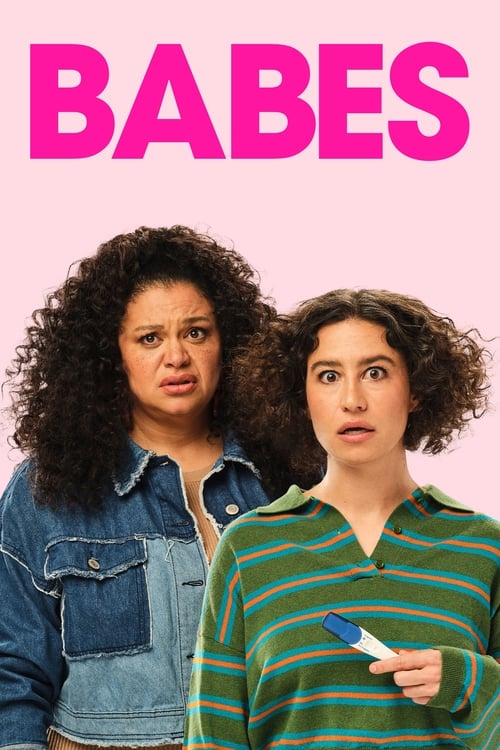
Babes
2024
No user ratings available yet
Representation score: 9.1 out of 10
Representation Score
Limited
2026
RDirector
Adam Sztykiel
Runtime
90 minutes
Average Rating
No ratings yetNew Showbiz Analysis
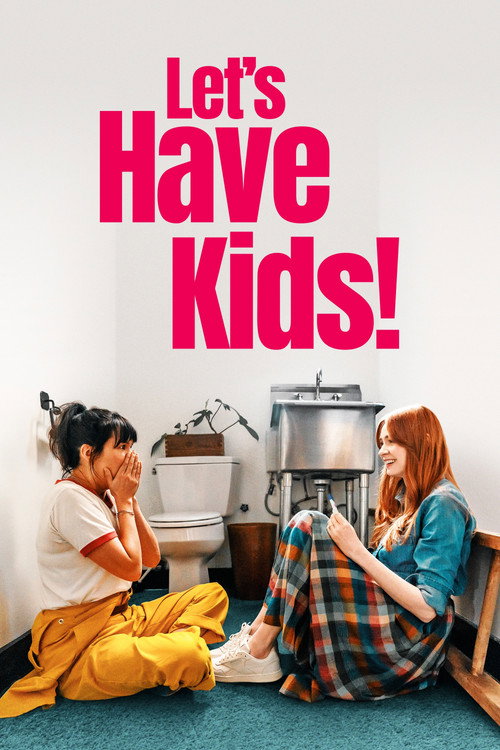
Let’s Have Kids! opens with two women, Emma and Phoebe, treating their wombs like a joint startup, a 2026 comedy that sells the idea that friendship can outmaneuver biology. The film’s argument is that modern women can hack the traditional script of motherhood by planning it together, turning the private struggle of conception into a shared professional project. This framing elevates the female leads from passive recipients of fate to active agents of their own domestic futures, a progressive inversion of older comedies where women merely wait for a husband or a miracle. However, the film’s internal logic pulls against this modernity. While the women drive the plot, the resolution likely settles into a conventional hierarchy where male partners and medical authorities provide the necessary stability and validation. The "sold meaning" is that independence is a temporary phase before the ultimate reward of the nuclear family, where the chaos of singlehood is cured by the structure of parenthood. The camera loves the women’s ambition but ultimately rewards the return to traditional domestic order. The ending, where only one conceives, tests the friendship but does not dismantle the cultural premise that a life without children is incomplete. The film treats the non-pregnant friend’s experience with empathy but does not offer an alternative value system where child-free life is equally valid. It is a warm, competent comedy that respects its female leads’ intelligence while still banking on the universal assumption that a house full of kids is the final, correct destination. The last image is not a rebellion against tradition, but a comfortable embrace of it.
Category Breakdown
No queer characters or same-sex intimacy appear. The narrative relies exclusively on heterosexual pairings and biological reproduction. The cast and plot contain no non-binary identities.
Women drive the central decision to conceive, framing motherhood as a shared professional project. The resolution likely reverts to traditional partnership dynamics where male competence stabilizes the women’s choices.
Zoë Chao appears as a primary lead, placing an Asian woman at the center of the narrative. Her presence is integral to the friendship dynamic, not relegated to background or stereotypical support roles.
The film treats the nuclear family and biological parenthood as the ultimate cultural reward. Secular medical institutions mediate the process, but the final value system remains rooted in traditional domestic stability.
No characters with physical, sensory, or cognitive impairments are depicted. The narrative treats fertility and health as binary states without exploring disability as a lived experience or social category.
Present on Screen
Limited or Absent
Official Synopsis
Two best friends, Emma and Phoebe, decide to get pregnant simultaneously to navigate motherhood together, but their friendship is tested when only one of them conceives.
2024
2021

2017

2016

2019
2020

2023

2024
No reviews yet. Be the first to share your thoughts on this movie!
Use the rating form above to leave a star rating and optional review.