
Standing Up for Sunny
2019
No user ratings available yet
Representation score: 8.3 out of 10
Representation Score
Fair
2026
Director
Darryl Yap
Runtime
83 minutes
Average Rating
No ratings yetNew Showbiz Analysis
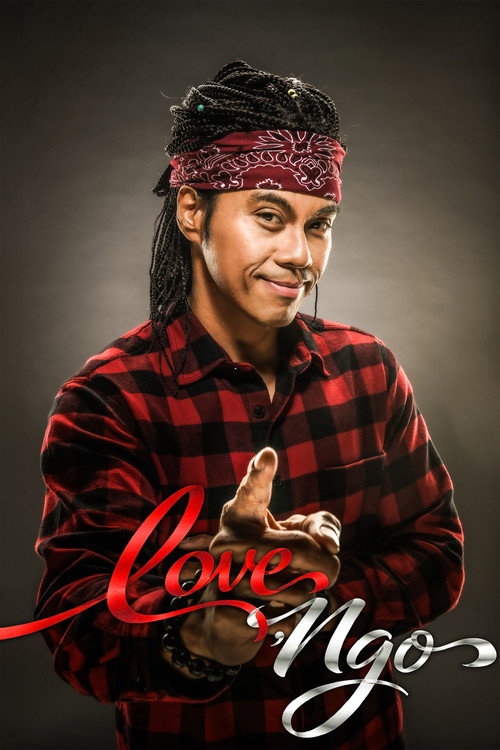
Love, Ngo anchors its narrative in the lived experience of Ngongo, a man with a cleft palate. His condition is not a temporary obstacle but a defining aspect of his identity that shapes his daily interactions and romantic prospects. The story explores how his disability and social status intersect to create barriers in his relationship with a woman whose family rejects him. The film grounds itself in working-class Filipino life through the setting of his mother’s burger stand. This environment provides a realistic backdrop for the family dynamics and economic pressures that influence Ngongo’s journey. The shared responsibilities between the mother and son reflect a balanced domestic structure without rigid gender hierarchies. While the cast is culturally homogeneous, this reflects the specific cultural context of the story. The lack of LGBTQ+ representation and limited racial diversity are notable gaps, but the film offers meaningful insight into disability and working-class family life. The progressive weighting favors the nuanced depiction of Ngongo’s condition and the shared gender roles within his household.
Category Breakdown
The film contains no LGBTQ+ characters or same-sex romance. The romantic focus is entirely on Ngongo’s heterosexual relationship with a woman whose family rejects him.
The mother runs the burger stand and supports the household, while Ngongo volunteers at a foundation. Both genders share domestic and professional responsibilities without clear hierarchy.
The cast is entirely Filipino, reflecting the film’s cultural setting. Ngongo, a man with a cleft palate, drives the plot through his personal struggles and social interactions.
The film centers on Filipino family dynamics and class barriers. The mother’s burger stand grounds the story in working-class life, while the romance highlights social status tensions.
Ngongo’s cleft palate is a central, lived condition that shapes his identity and relationships. The film treats his disability as an ongoing reality rather than a temporary plot device.
Present on Screen
Limited or Absent
Official Synopsis
Ngongo volunteers at a cleft lip foundation and works at his mother's burger stand. He falls for a woman, but her family rejects him due to his condition and social status, leading him to face challenges with love and acceptance.
2019

2009
2019

2002
2015
2019
2012
1993
No reviews yet. Be the first to share your thoughts on this movie!
Use the rating form above to leave a star rating and optional review.