
Kissing My Sister
2000
No user ratings available yet
Representation score: 5.7 out of 10
Representation Score
Limited
1969
Director
Peter Schamoni, Herbert Vesely
Runtime
92 minutes
Average Rating
No ratings yetNew Showbiz Analysis
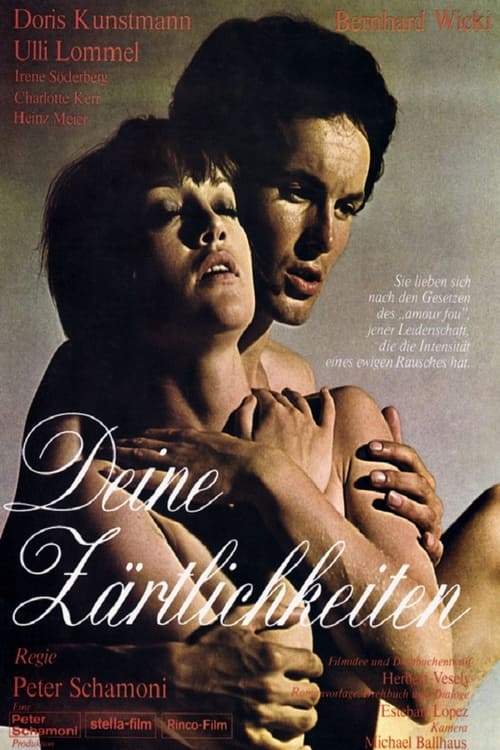
Your Caresses is a transgressive work of the New German Cinema movement that prioritizes psychological depth over traditional social structures. It succeeds in subverting the sanctity of the nuclear family by centering a plot around an incestuous connection, challenging the moral hierarchies of its era. However, the film lacks demographic breadth. The focus remains heavily on Western European social contexts, resulting in minimal racial and ethnic diversity. The narrative's impact is primarily intellectual and structural rather than representative of a wide array of identities. Ultimately, the film's strength lies in its deconstruction of social institutions. While it does not offer significant representation for underrepresented groups, it provides a radical critique of conventional Western morality.
Category Breakdown
The film focuses on a bond between siblings but lacks explicit depictions of LGBTQ+ identities or non-assuming gender matches what was assigned at birth gender expressions.
The narrative moves away from traditional domestic hierarchies and stable leader archetypes, prioritizing a psychologically driven exploration of desire and complex interpersonal dynamics.
The film appears focused on Western European social mores of the late 1960s. There is no evidence of a non-white or non-Anglo-Saxon majority cast.
The story critiques the nuclear family and traditional morality by embracing moral relativism through subjective emotional truth.
There is no discernible evidence regarding the portrayal of physical or neurodivergent disabilities within the narrative.
Present on Screen
Limited or Absent
Official Synopsis
Brother and sister meet again after 15 years and fall in love with each other.
2000

2009
2007
1984

1975

1990

2007
1969
No reviews yet. Be the first to share your thoughts on this movie!
Use the rating form above to leave a star rating and optional review.