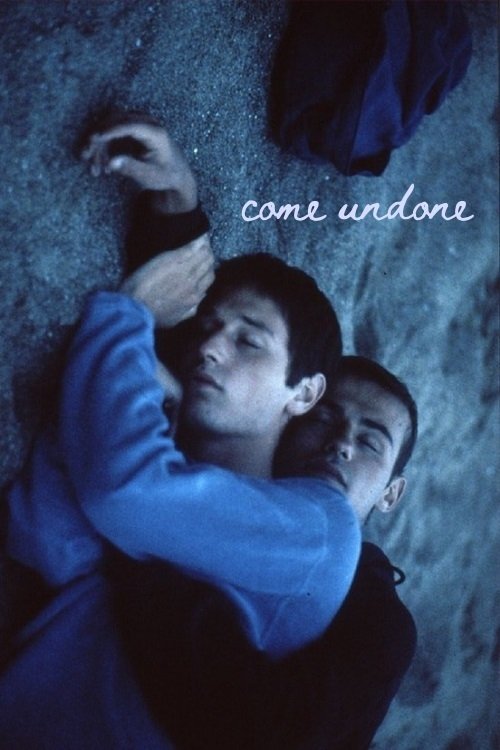
Come Undone
2000
No user ratings available yet
Representation score: 6.4 out of 10

Representation Score
Good
2009
Not RatedDirector
Aluizio Abranches
Runtime
96 minutes
Average Rating
No ratings yetNew Showbiz Analysis
From Beginning to End is a sophisticated deconstruction of mid-century social constraints. By centering a queer, class-conscious romance in a historical context, the film effectively challenges the assumptions of the era. The film excels in its commitment to queer ability to act, where the protagonists' desires are the primary drivers of the plot. It uses socioeconomic disparities as a metaphor for broader systemic inequities, making the personal struggle feel deeply political. While the film offers a strong critique of social institutions, its focus remains narrow, primarily centered on class and sexuality rather than a broader spectrum of racial or disability-based representation.
Category Breakdown
The film focuses on a romantic relationship between two men, which drives their character development and provides them who play a significant role in driving the story despite the societal pressures of the 1940s.
The story challenges traditional mid-20th century masculine expectations by emphasizing emotional resilience and vulnerability among the main characters.
Diversity is shown through class differences rather than explicit racial markers. The contrast between upper-class and working-class backgrounds highlights systemic power dynamics.
The film criticizes conservative family structures and traditional social institutions. It emphasizes emotional authenticity over adherence to religious doctrine or established social norms.
There are no significant depictions of visible or invisible disabilities within the narrative.
Present on Screen
Limited or Absent
Official Synopsis
Two brothers develop a very close relationship as they are growing up in an idyllic and happy family. When they are young adults their relationship becomes very intimate, romantic, and sexual.
2000

2012

2000

2020
1985
2007
1994
2009
No reviews yet. Be the first to share your thoughts on this movie!
Use the rating form above to leave a star rating and optional review.