
The Skeleton Twins
2014
No user ratings available yet
Representation score: 6.0 out of 10
Representation Score
Fair
1984
PG-13Director
John Cassavetes
Runtime
141 minutes
Average Rating
No ratings yetNew Showbiz Analysis
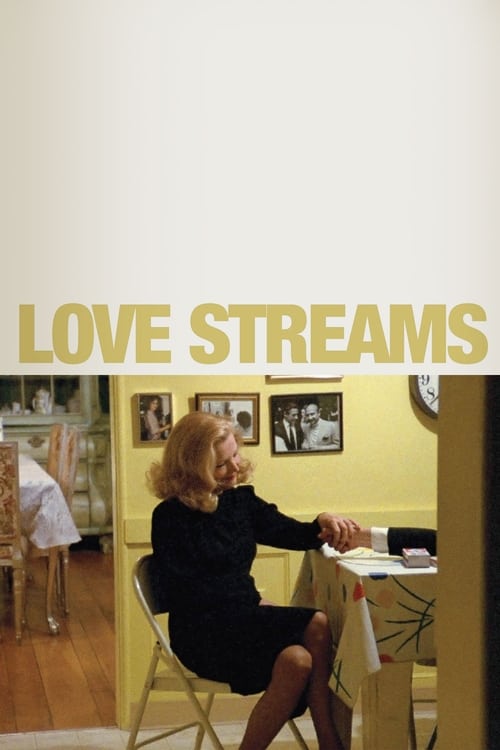
John Cassavetes prioritizes psychological realism and character interiority over conventional narrative structures. This approach allows for a deep, nuanced exploration of mental health and individual autonomy, even as the film remains demographically narrow. The work succeeds in deconstructing social norms and traditional moral hierarchies. By treating dysfunction as a fundamental human condition, it offers a progressive view of identity that resists easy categorization or social conformity. However, the film lacks breadth in terms of racial and LGBTQ+ representation. The focus remains strictly within a localized, white, heterosexual framework, limiting its engagement with a wider spectrum of human experience.
Category Breakdown
The film centers on a heterosexual relationship between the two main characters and does not include any queer romantic subtext or non-cisgender identities.
Carrie challenges traditional female stereotypes by driving the emotional momentum through erratic and uncompromising behavior. The film avoids stable domestic dynamics and presents volatile interpersonal relationships.
The story unfolds in a homogeneous urban setting focused on white characters. It does not engage with diverse identities or subvert Anglo-centric casting.
The narrative uses moral relativism to frame self-destructive behaviors as valid psychological truths. This approach critiques social conformity and the traditional sanctity of the nuclear family.
Mental health is explored through the lived experience of emotional volatility rather than as a plot device. Psychological struggles are central to the characters' identities.
Present on Screen
Limited or Absent
Official Synopsis
Two closely-bound, emotionally wounded siblings reunite after years apart.
2014

1987

2000
2009
1984

1991

2001

1977
No reviews yet. Be the first to share your thoughts on this movie!
Use the rating form above to leave a star rating and optional review.