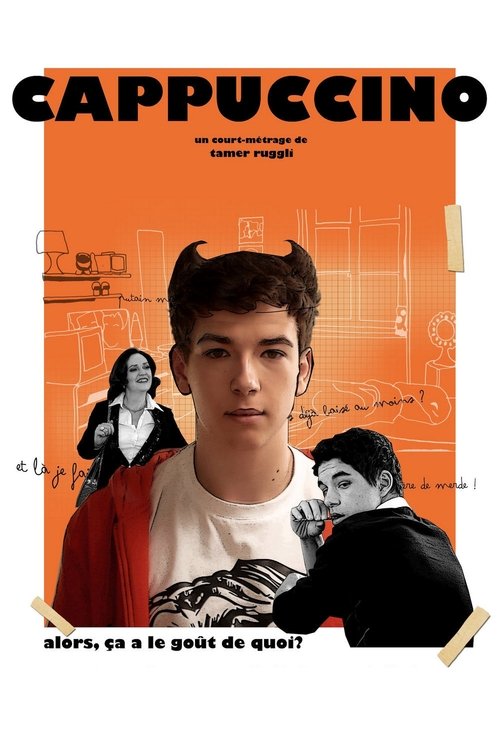
Cappuccino
2010
No user ratings available yet
Representation score: 4.4 out of 10

Representation Score
Good
2008
UnratedDirector
Christophe Honoré
Runtime
97 minutes
Average Rating
No ratings yetNew Showbiz Analysis
Christophe Honoré’s work excels at breaking down traditional romantic and social structures. By prioritizing identity fluidity and rejecting rigid moral hierarchies, the film offers a progressive perspective on adolescent self-discovery. While the film is intellectually sophisticated regarding desire and gender roles, it remains limited by its homogeneous demographic. The focus on a specific Parisian setting results in a lack of racial and ethnic diversity. Ultimately, the film succeeds as a study of individual complexity. It trades institutional stability for a lyrical exploration of how youth navigates the boundaries of authority and attraction.
Category Breakdown
The film focuses on fluid desire and rejects rigid labels based on straight relationships. It portrays non-traditional attraction as a sophisticated, central part of the human experience.
Junie avoids traditional passivity, instead using her emotional autonomy to navigate complex power dynamics. The narrative highlights her internal strength and active role in the story.
The Parisian setting features a relatively homogeneous demographic. The film lacks significant evidence of diverse racial blending or a non-white majority cast.
The story emphasizes secularism and individual desire over religious frameworks. It explores the tension between youthful impulses and the constraints of social institutions.
There are no prominent depictions of visible or invisible disabilities that serve as central narrative drivers.
Present on Screen
Limited or Absent
Official Synopsis
In the wake of her mother's tragic death, French teenager Junie transfers to a different high school. Though Junie lives mostly inside her own head, her beauty and stoicism win her the attention of the entire male student population. Junie begins dating the gentle Otto Cleves, but finds herself intensely drawn to her youthful Italian language teacher, Nemours. When Nemours begins to reciprocate, serious complications ensue.
2010
2000
1996

2017
2013
2008

2007
2001
No reviews yet. Be the first to share your thoughts on this movie!
Use the rating form above to leave a star rating and optional review.