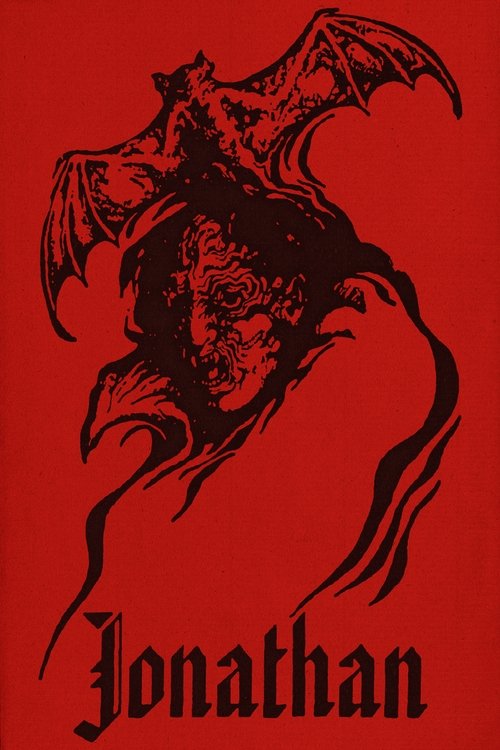
Jonathan
1970
No user ratings available yet
Representation score: 3.8 out of 10
Representation Score
Limited
1966
GPDirector
Gerardo de Leon
Runtime
90 minutes
Average Rating
No ratings yetNew Showbiz Analysis
Gerardo de Leon’s work is a significant example of regional horror that prioritizes ethnic authenticity. By grounding the story in Philippine folklore and a local setting, the film provides a non-Western perspective on the supernatural genre. However, the film is limited by the social and gender hierarchies of its era. It operates within a conventional framework that reinforces traditional power dynamics rather than challenging them. While the film succeeds in cultural specificity, it lacks depth in representing diverse identities, particularly LGBTQ+ identities and non-traditional gender roles.
Category Breakdown
The film adheres to traditional structures typical of 1960s regional cinema, focusing on conventional family relationships without depicting non-assuming gender matches what was assigned at birth identities or same-sex intimacy.
Gender hierarchies in the film mirror those of mid-century Filipino society. While the vampire mother drives the plot, her role is defined through monstrousness rather than empowerment, and masculine conflicts dominate the narrative.
The production excels in authentic regional representation. By centering a Filipino cast and rural setting, it avoids Western-style whitewashing and uses local folklore to provide ethnic specificity.
The story explores the tension between traditional superstition and modern science. While religious authority is present, the film depicts the conflict between institutional religion and supernatural chaos.
There are no prominent depictions of physical or neurodivergent disabilities that serve as central character arcs or meaningful representations within the narrative.
Present on Screen
Limited or Absent
Official Synopsis
Siblings discover that their father has their vampire mother chained up in the cellar. The mother bites her son and soon everyone in the community is either dead or a vampire.
1970
1972
1974
1941
1973
1970
1970
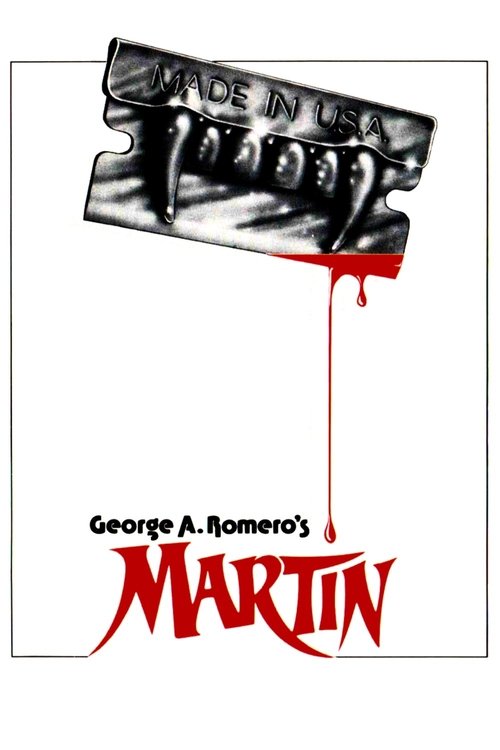
1978
No reviews yet. Be the first to share your thoughts on this movie!
Use the rating form above to leave a star rating and optional review.