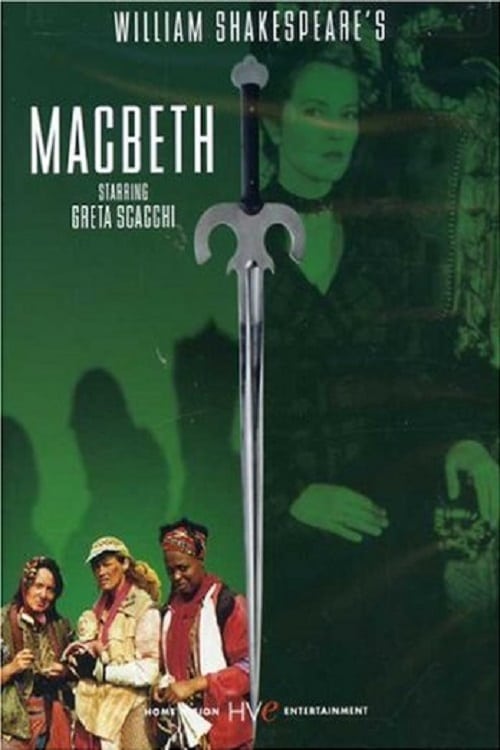
Macbeth
1998
No user ratings available yet
Representation score: 6.2 out of 10
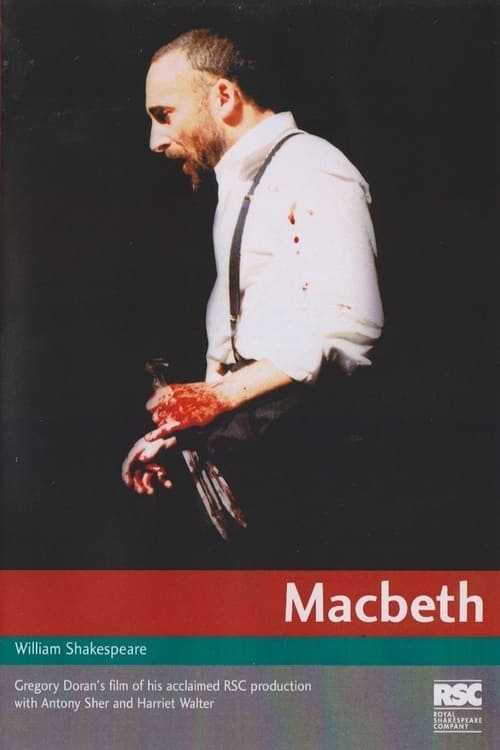
Representation Score
Fair
2001
Director
Gregory Doran
Runtime
132 minutes
Average Rating
No ratings yetNew Showbiz Analysis
Gregory Doran’s production stands out for its subversion of traditional gender roles, positioning Lady Macbeth as a powerful strategist rather than a passive figure. This psychological depth offers a sophisticated look at mental instability and the collapse of institutional morality. However, the film lacks diversity in terms of race and ethnicity, maintaining a homogeneous cast. It also does not include any representation of LGBTQ+ identities or non-cisgender characters. Overall, the work functions as a postmodern study of systemic collapse, trading traditional demographic diversity for a deep, gritty examination of power and the human psyche.
Category Breakdown
The production follows the historical and textual requirements of the source material, with no depiction of non-straight or non-cisgender identities.
Lady Macbeth is the main driver of the plot, using her intelligence and strategic thinking to challenge traditional gender roles. The film portrays masculine pursuits of power as unstable and leading to madness.
The cast remains uniform, reflecting the historical setting and original text. The production sticks to a traditional approach to the Scottish setting, avoiding diverse casting.
The film critiques the stability of traditional institutions by showing the protagonists' decline through a complex lens. The Witches disrupt established religious and social norms.
The production offers a visceral study of psychological fragmentation and mental suffering. Characters experience deep, guilt-induced hallucinations and cognitive instability that move beyond simple plot devices.
Present on Screen
Limited or Absent
Official Synopsis
Anthony Sher and Harriet Walter star in a highly-acclaimed screen version of William Shakespeare's classic story of tyranny and ambition. On the stage this Royal Shakespeare Company presentation was universally lauded. Following sell-out seasons at Statford's Swan Theatre and in London, the production played Japan and in the United States, where The New York Times praised director Gregory Doran's interpretation as a "harrowing and disturbingly funny parable for the dawn of the 21st century". To make this compelling screen version, Gregory Doran worked with all of the original cast and filmed at London's Roundhouse. Brilliantly shot by director of photography Ernie Vincze, the production uses the edgy techniques of fly-on-the-wall documentaries. The effect is raw, intimate and strikingly dynamic.
1998
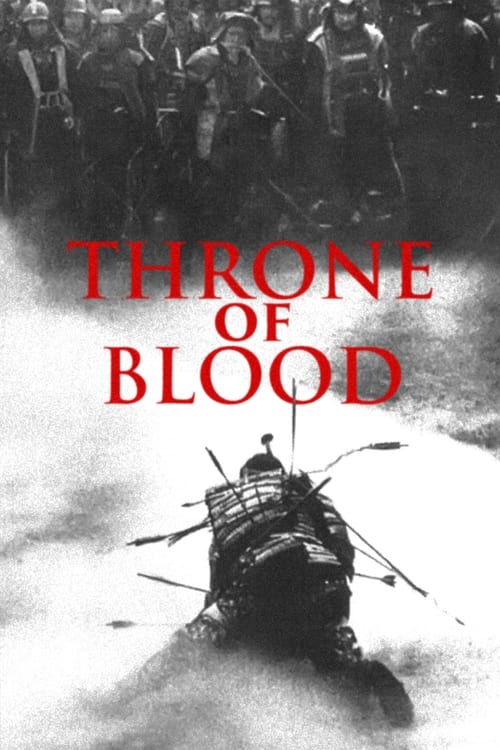
1957
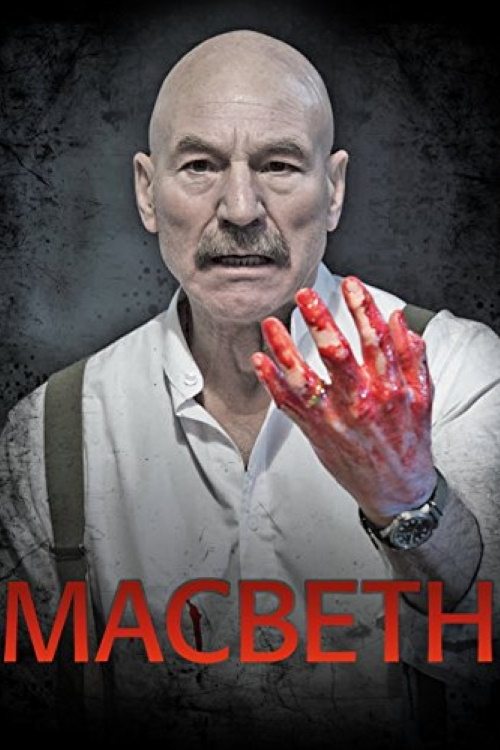
2010
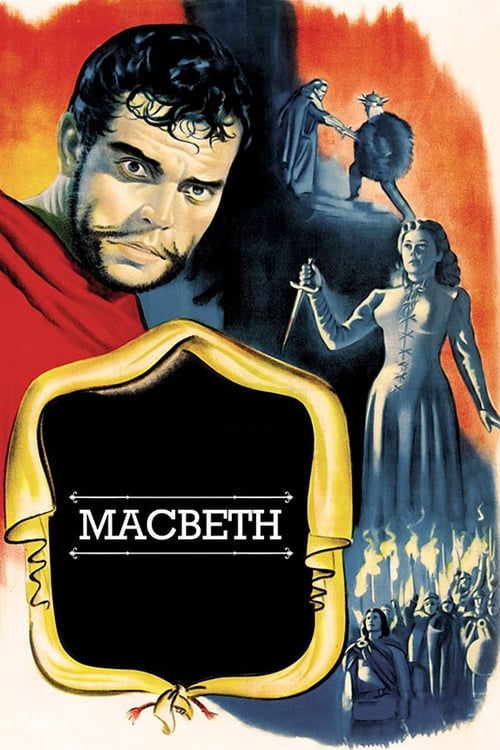
1948
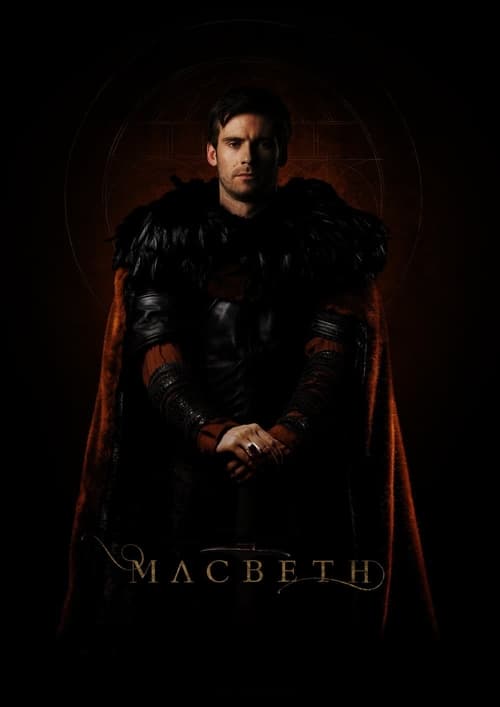
2018
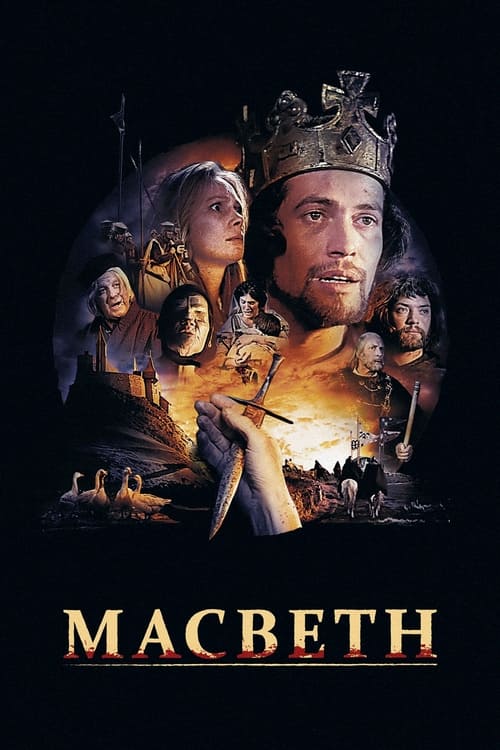
1971
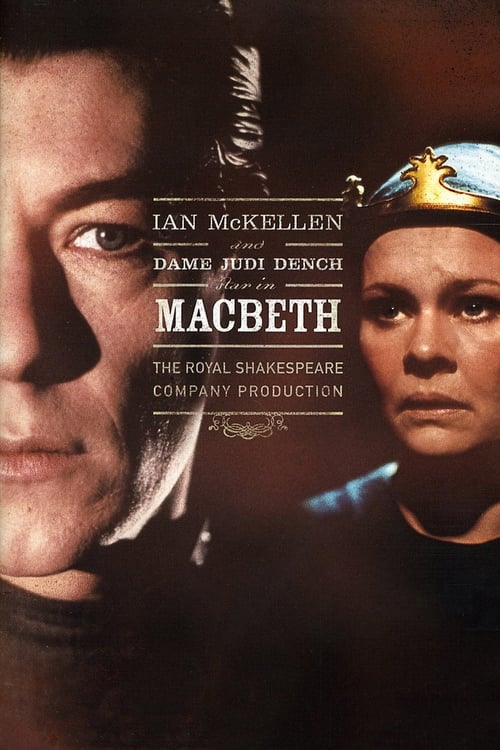
1979
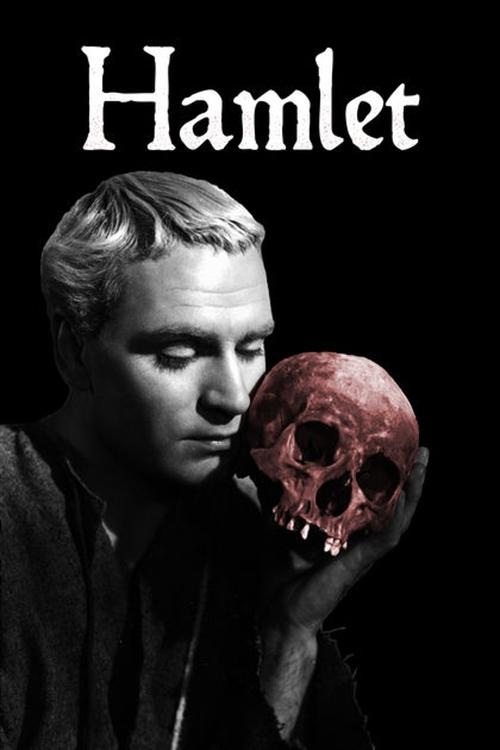
1948
No reviews yet. Be the first to share your thoughts on this movie!
Use the rating form above to leave a star rating and optional review.