Gunn
1967
No user ratings available yet
Representation score: 4.1 out of 10
Representation Score
Limited
1968
NRDirector
John Guillermin
Runtime
109 minutes
Average Rating
No ratings yetNew Showbiz Analysis
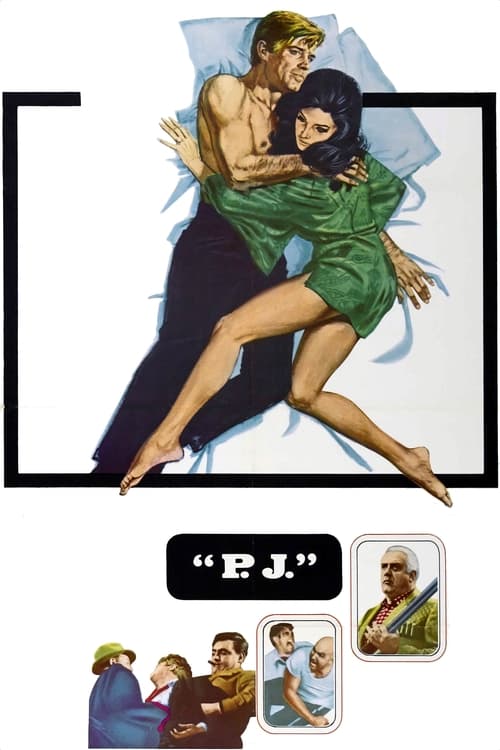
P.J. is a product of its era, functioning as a character-driven crime drama that adheres strictly to the cinematic conventions of the late 1960s. The narrative structure prioritizes traditional genre formulas, particularly focusing on a masculine-led investigation and a conventional romantic subplot. The film lacks complexity in reflecting multiple aspects of identity, as the characters and social dynamics do not challenge established hierarchies. Instead, the plot operates within a standard framework of mystery and intrigue, offering little in the way of broader systemic or cultural critique. Ultimately, the work reflects the period's tendency toward homogeneous casting and gendered power imbalances, making it a representative example of mainstream genre filmmaking from that time.
Category Breakdown
The film centers on a heterosexual relationship between P.J. Detweiler and Maureen Preble. There is no indication of LGBTQ+ identities or narratives that challenge the assumption that everyone is straight or cisgender.
Maureen Preble plays a key role in advancing the plot, but her influence is limited by her position as a mistress. The story follows a traditional protector/protected dynamic where the male protagonist leads.
Set in New York City, the film does not provide information suggesting a diverse or predominantly non-white cast. The casting appears homogeneous, typical of late-1960s studio productions.
The storyline follows standard crime mystery conventions focused on personal stakes and deception. It does not offer a broader critique of capitalist systems or dismantle Western social hierarchies.
There is no mention of characters with visible or invisible disabilities in the provided character descriptions and synopsis.
Present on Screen
Limited or Absent
Official Synopsis
Reluctant New York City private eye P.J. Detweiler is hired as a bodyguard to protect Maureen Preble, the mistress of shady millionaire William Orbison. In truth, Orbison plans a deadly intrigue in which P.J. is to play a central part. Meanwhile, complications ensue as P.J. gradually falls in love with Maureen.
1967
1975
1971
1961

1968
1973
1947
1946
No reviews yet. Be the first to share your thoughts on this movie!
Use the rating form above to leave a star rating and optional review.