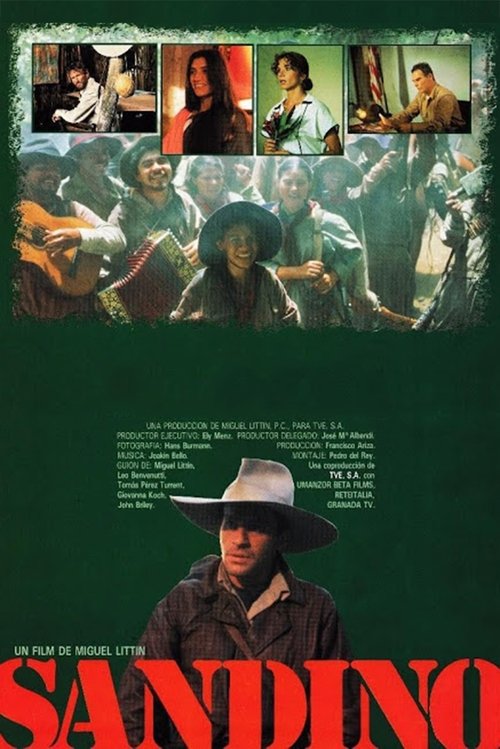
Sandino
1990
No user ratings available yet
Representation score: 4.3 out of 10

Representation Score
Fair
2010
Director
Fernando Pérez
Runtime
120 minutes
Average Rating
No ratings yetNew Showbiz Analysis
Fernando Pérez presents a sophisticated historical drama that challenges conventional colonial narratives. By focusing on the Cuban independence movement, the film successfully elevates the perspective of the colonized subject. However, the film adheres to traditional biographical storytelling, emphasizing masculine revolutionary leadership and leaving limited space for diverse gender expressions or non-traditional identities. Ultimately, the film's strength lies in its critique of imperialist institutions, even while maintaining conventional social depictions regarding gender and sexuality.
Category Breakdown
The film focuses on Martí's intellectual and political development but does not include explicit representations of non-traditional gender identities or same-sex relationships.
Women are shown in traditional roles from the 19th century but do not actively challenge the existing gender hierarchies of the time.
The story uses a post-colonial perspective to highlight the struggle against Spanish imperial dominance. It emphasizes the ability to act and identity of the colonized subjects.
The film effectively critiques Western imperial structures and frames the revolutionary spirit as a necessary response to systemic corruption and colonial oppression.
There are no prominent depictions of physical or neurological disabilities that significantly influence the main plot or character traits.
Present on Screen
Limited or Absent
Official Synopsis
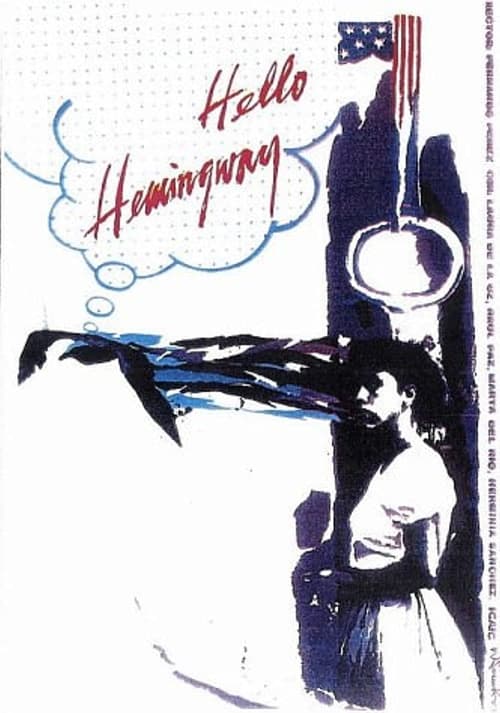
This historical drama, depicting different phases in the late childhood and youth of the so-called "Apostle of Cuba" José Martí, is most of the time a biopic full of commonplaces often found in this genre, directed by Fernando Pérez, one of the most respected names in Cuban cinema.
1990

1964
2002

2013

1983

2000
1990

2010
No reviews yet. Be the first to share your thoughts on this movie!
Use the rating form above to leave a star rating and optional review.