
Walrus Yes: The Making of Tusk
2019
No user ratings available yet
Diversity score: 2.7 out of 10
2011
TV-14Director
Daniel Farrands
Runtime
90 minutes
Average Rating
No ratings yetSynopsis
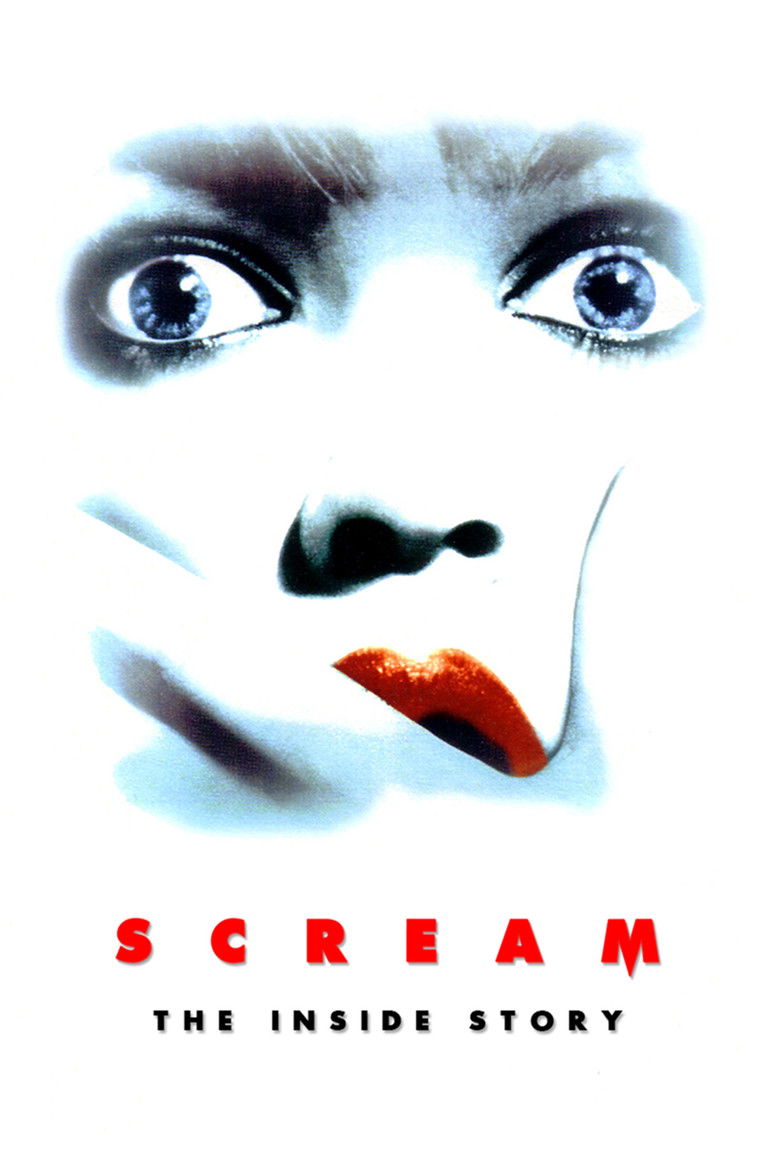
In 1996, the horror master Wes Craven unleashed Scream, a slasher movie aimed at a whole new generation of teenage movie-goers.
Overall Score
Limited
Category Breakdown
LGBTQ+ Representation
The documentary focuses on the technical and creative aspects of the Scream production. It lacks narratives exploring non-heteronormative identities or critiques of heteronormativity.
Gender Representation
The narrative likely reflects a historical industry focus on male directors and technical crews. While the subject film features female protagonists, the documentary centers on Wes Craven and masculine filmmaking perspectives.
Racial & Ethnic Diversity
The work examines a film set within a predominantly white, suburban American context. It reflects the demographic homogeneity typical of the 1990s slasher genre.
Religious & Cultural Diversity
Content is centered on Western cinematic history and the preservation of a specific American genre. It functions as a celebration of mainstream Hollywood horror rather than engaging with alternative themes.
Disability Representation
There is no indication that the documentary addresses neurodivergence, physical disabilities, or mental health through a lens of agency or representation.
Strengths
Areas for Improvement
AI Analysis
Scream: The Inside Story is a technical retrospective focused on the mechanics of horror filmmaking. Because it is a documentary about a specific production, its capacity for character-driven representation is limited to the interviewed cast and crew. The film prioritizes the legacy of Wes Craven and the evolution of genre tropes. This focus results in a narrative that mirrors the traditional, often homogenous, demographics of the 1990s horror industry. Ultimately, the documentary serves as a meta-commentary on cinematic history rather than a vehicle for exploring intersectional identities or challenging social hierarchies.
2019
2000

2010
2008
2011
2006
2009
1999
1996

2019
1995
2021
No reviews yet. Be the first to share your thoughts on this movie!
Use the rating form above to leave a star rating and optional review.