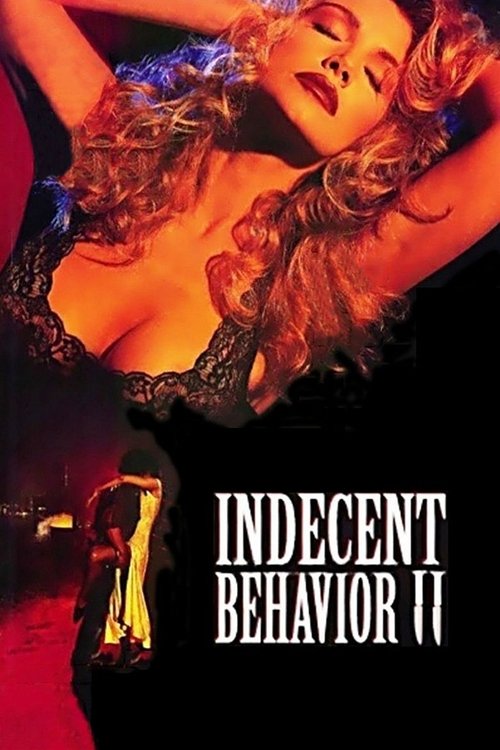
Indecent Behavior II
1994
No user ratings available yet
Representation score: 3.6 out of 10

Representation Score
Fair
1994
RDirector
Walter Avancini, Zalman King
Runtime
91 minutes
Average Rating
No ratings yetNew Showbiz Analysis
Boca succeeds in moving away from Western-centric storytelling by immersing the audience in a complex Brazilian landscape. The film uses a diverse cast and a non-Anglo-Saxon setting to create a more authentic socio-political atmosphere. However, the film's representation is uneven. While it highlights strong gender ability to act through its female lead and showcases high ethnic diversity, it lacks visible LGBTQ+ identities and any meaningful depiction of disability. Ultimately, the film is a study of systemic power and moral ambiguity. It replaces traditional cinematic clichés with a gritty, culturally specific exploration of crime and social instability.
Category Breakdown
The film does not include any explicit LGBTQ+ characters or narratives. While the director explores unconventional desires, the main storyline centers around a journalist investigating organized crime.
A female photo-journalist drives the plot with her significant role in navigating a dangerous crime landscape. This challenges traditional gender roles and breaks away from submissive feminine stereotypes.
The film avoids homogeneous Western casting by featuring a predominantly Brazilian cast. The setting and characters reflect the diverse social layers of Brazil’s slums and carnival environments.
The narrative delves into Brazilian social instability through themes of systemic corruption. Elements such as voodoo and illegal drug networks explore subjective morality and power dynamics.
There is no documented evidence of physical or neurodivergent disabilities being portrayed in this film.
Present on Screen
Limited or Absent
Official Synopsis
A photo-journalist goes to Brazil to investigate a savage crime boss. She becomes infatuated with the story.
1994

1992

2006
1970

2004
2003
1997

2022
No reviews yet. Be the first to share your thoughts on this movie!
Use the rating form above to leave a star rating and optional review.