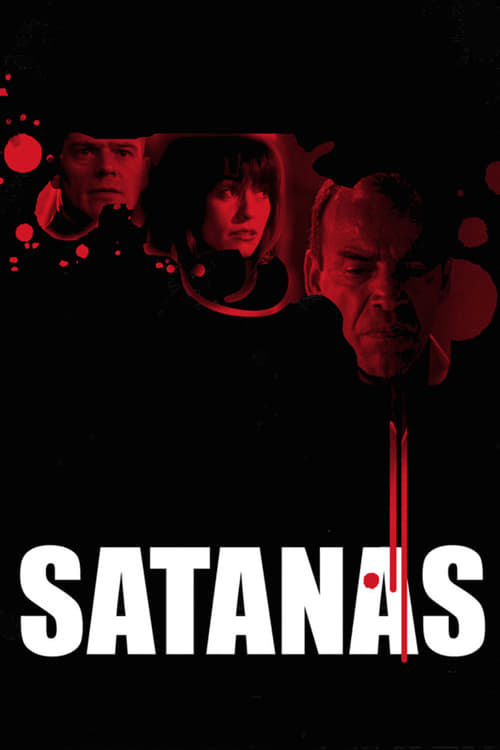
Satanás - Profile of a Killer
2007
No user ratings available yet
Representation score: 7.1 out of 10
Representation Score
Fair
2004
RDirector
Sebastián Cordero
Runtime
108 minutes
Average Rating
No ratings yetNew Showbiz Analysis
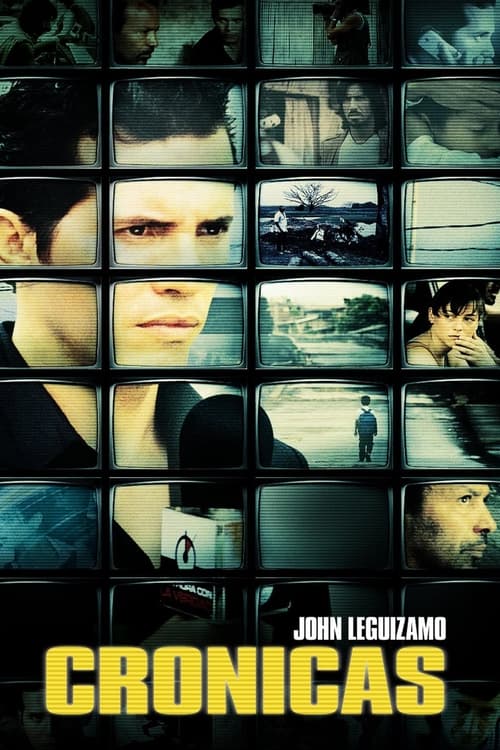
Crónicas is a sophisticated critique of media consumption and systemic exploitation. It uses a mockumentary aesthetic to deconstruct the relationship between urban power centers and underrepresented rural landscapes in Ecuador. The film's primary strength lies in its refusal to present a sanitized, Westernized view of its setting. It effectively challenges the 'outsider' gaze by centering the lived realities of Andean and rural populations. However, the film struggles with inclusivity regarding gender and identity. The narrative is dominated by male-driven plots, leaving little room for diverse gender expressions or LGBTQ+ representation.
Category Breakdown
The film does not include any explicitly LGBTQ+ characters or narratives. The focus remains on the professional and survivalist dynamics between male protagonists, resulting in no queer visibility.
The narrative centers heavily on male-driven plots through the reporter and cameraman. Female characters are relegated to the periphery, reflecting traditional gender hierarchies and social structures.
The film excels in representing the Ecuadorian demographic authentically. It avoids Western-centric casting by centering local populations as essential components of its socio-political commentary.
The story provides a potent critique of media capitalism and the commodification of tragedy. It highlights the tension between urban-driven capitalism and rural, folkloric realities.
There is no significant focus on visible or invisible disabilities. Characters are defined by professional roles and survival rather than neurodivergence or physical disability.
Present on Screen
Limited or Absent
Official Synopsis
A suspense thriller about a reporter from Miami who travels to Ecuador in pursuit of a serial killer known as the "Monster of Babahoyo."
2007

2011

2010
2019

2016

1999

2017
2010
No reviews yet. Be the first to share your thoughts on this movie!
Use the rating form above to leave a star rating and optional review.