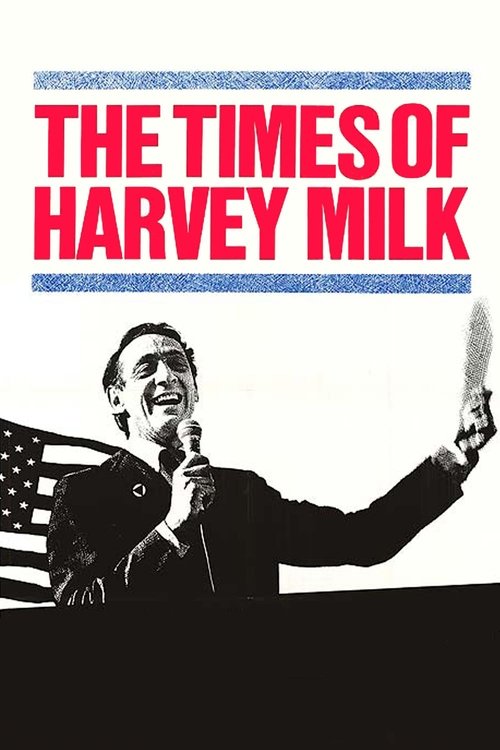
The Times of Harvey Milk
1984
No user ratings available yet
Diversity score: 8.7 out of 10
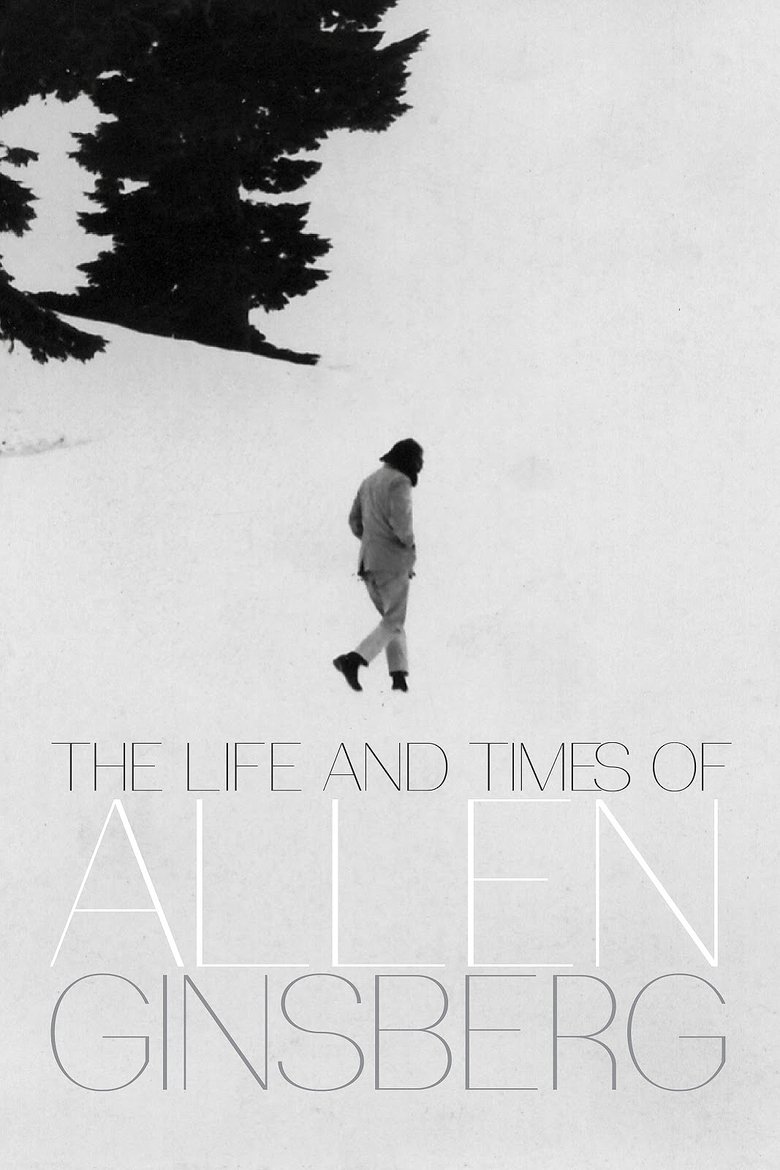
1994
TV-14Director
Jerry Aronson
Runtime
83 minutes
Average Rating
No ratings yetSynopsis
Visionary, radical, spiritual seeker, renowned poet, founding member of a major literary movement, champion of human rights, Buddhist, political activist and teacher. Extensive archival footage, interviews, and home movies cover Allen Ginsberg's life, activism, and influence on American culture through the Beat era, the 1960s, and beyond.
Overall Score
Excellent
Category Breakdown
LGBTQ+ Representation
The film centers Ginsberg’s identity as a gay man, treating his sexuality as a primary driver of his political and poetic agency. It explores his active role in disrupting heteronormative structures during the 1950s and 60s.
Gender Representation
The documentary highlights the erosion of mid-century domesticity and patriarchal structures through the Beat Generation. It depicts a shift toward more fluid interpersonal dynamics and subverts restrictive definitions of masculinity.
Racial & Ethnic Diversity
The film captures the diverse, bohemian social circles that challenged Anglo-Saxon homogeneity. It provides visibility into the blending of cultural perspectives, particularly through the integration of Eastern philosophies.
Religious & Cultural Diversity
The narrative prioritizes Eastern spirituality and Buddhist influences over singular Christian morality. It frames traditional American patriotism and capitalism as systems requiring radical interrogation and critique.
Disability Representation
There is insufficient evidence to provide a definitive score regarding the representation of physical or neurodivergent disabilities.
Strengths
Areas for Improvement
AI Analysis
This documentary functions as a historical record of social disruption. By centering a figure who championed identity politics and challenged state authority, the film provides a profound look at non-cisnormative identity and non-Western spiritualities. The film excels in its portrayal of moral relativism and its critique of Western institutions. It successfully moves beyond a singular Western worldview to include Eastern philosophical influences. While the film captures diverse bohemian circles, the focus remains heavily on intellectual and literary movements. This limits the depth of racial and ethnic representation compared to its strong LGBTQ+ and cultural coverage.
1984
1990
2003
2020
1970
2019
2012
2002
2022
2002
2023
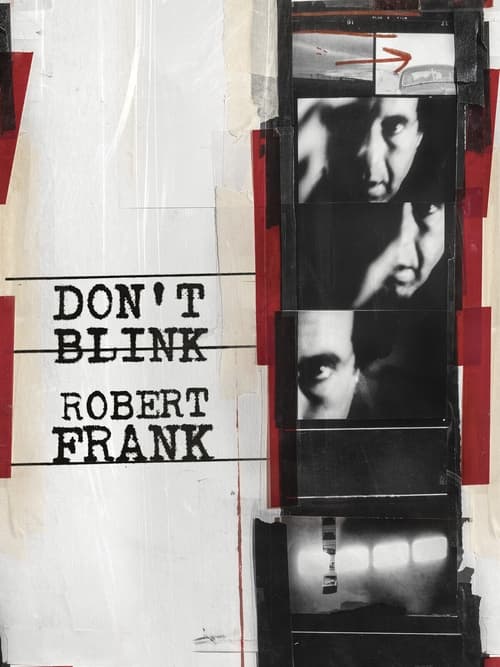
2015
No reviews yet. Be the first to share your thoughts on this movie!
Use the rating form above to leave a star rating and optional review.