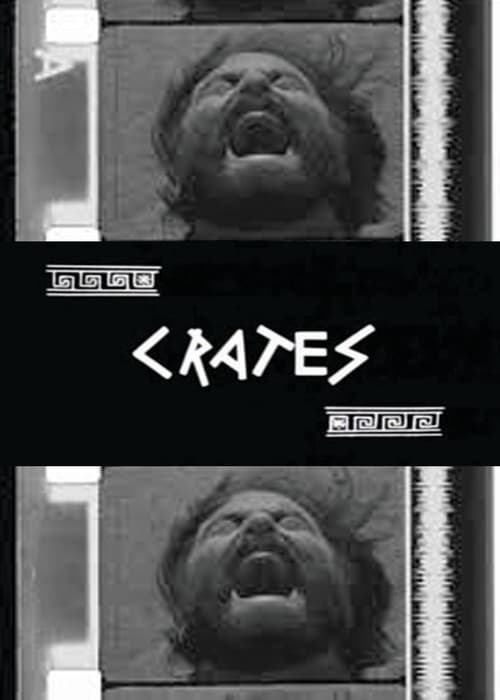
Crates
1976
No user ratings available yet
Representation score: 4.1 out of 10
No Poster Available
Representation Score
Fair
1968
Director
Robert Lapoujade
Runtime
90 minutes
Average Rating
No ratings yetNew Showbiz Analysis
Le Socrate is a philosophical exploration of counter-cultural rebellion during the late 1960s. It excels at critiquing Western materialism and state authority, using a modern Socrates to challenge consumerist structures and institutional norms. However, the film's demographic range is narrow. The narrative focuses on a homogeneous European social dynamic, lacking visible racial or LGBTQ+ intersectionality. While it challenges social orders, it does so through a primarily Western-centric lens. Ultimately, the film serves more as a platform for anti-establishment discourse than a diverse examination of human identity. It prioritizes ideological questioning over demographic variety.
Category Breakdown
The film does not include explicit representations of LGBTQ+ identities or same-sex relationships. Instead, it focuses on the philosophical conflict between the protagonist and societal structures.
The film disrupts traditional hierarchies through a male philosopher's journey. However, the description of a 'pretty young woman' may suggest traditional gendered stereotypes. It explores counter-cultural subcultures, offering moderate gender representation.
The narrative centers on Western philosophical traditions and European social dynamics. There is no indication of a multi-ethnic cast or characters reflecting multiple aspects of diversity.
The film provides a progressive critique of Western institutional norms and capitalism. It emphasizes subjective experience and counter-cultural spirituality over organized religion or traditional patriotism.
There is no evidence of characters with physical or neurodivergent disabilities within the story.
Present on Screen
Limited or Absent
Official Synopsis
A modern-day Socrates leaves behind his life as a philosopher to live off the land. When a police inspector is assigned to follow the man and question his motives, the cop gets caught up in the charming philosophy of the man who has left his material possessions behind. He encounters a pretty young woman and her nihilistic boyfriend, the latter who makes a living with his psychedelic side shows. The boyfriend gets the newspapers to print the philosopher's thoughts, prompting him to acquire a bevy of believers. There is some nudity in this comical thought-provoking story, but the main focus remains the words of the man who left behind creature comforts to find himself.
1976

1974
1981

1964
1970

2015
1969
1989
No reviews yet. Be the first to share your thoughts on this movie!
Use the rating form above to leave a star rating and optional review.