With Friends Like These
2007
No user ratings available yet
Representation score: 6.8 out of 10
Representation Score
Fair
2003
TV-14Director
Marilou Diaz-Abaya
Runtime
125 minutes
Average Rating
No ratings yetNew Showbiz Analysis
Then and Now functions as a character-driven dramedy that uses the return of an expatriate to examine the friction between nostalgia and personal transformation. It moves beyond simple homecoming clichés to explore how migration and globalization impact individual identities and interpersonal hierarchies. The film's strength lies in its potential for nuanced character development. While it lacks specific markers like LGBTQ+ or disability representation, the director's reputation for socially conscious narratives suggests a deep exploration of social dynamics and the human condition. Ultimately, the film provides a non-Western perspective on the complexities of life transitions. It frames the experience of the diaspora through a lens of personal and cultural evolution, prioritizing psychological depth over superficial genre formulas.
Category Breakdown
The film does not include visible LGBTQ+ characters or stories involving queer identities. The focus is on a group of friends without any clear LGBTQ+ representation.
The narrative likely explores how gender roles and expectations change over time. Diaz-Abaya's history suggests a move beyond traditional stereotypes to examine real-life experiences.
As a Filipino production, the film centers Southeast Asian experiences. The return of an expatriate adds a layer of post-colonial subtext regarding diaspora and identity.
The story examines the tension between tradition and modernity. It explores how migration affects the traditional social unit and the evolution of cultural identity.
There is no evidence of characters with visible or invisible disabilities within the film's context.
Present on Screen
Limited or Absent
Official Synopsis
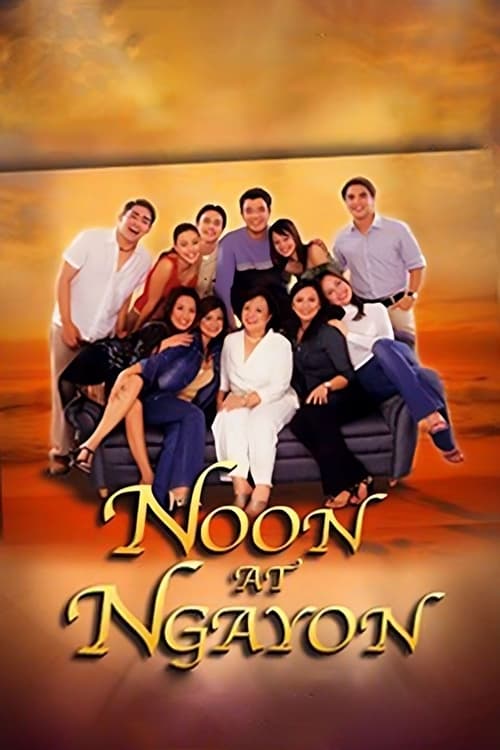
Joey comes home after nearly a decade of living in the States. With Joey back, the four friends find themselves complete again they reminisce on the good old times, marvel at the changes in each other’s lives. Indeed, a lot of things may have changed through the years, but some things remain constant.
2007

1988
2021

1995
1963

2012
2013
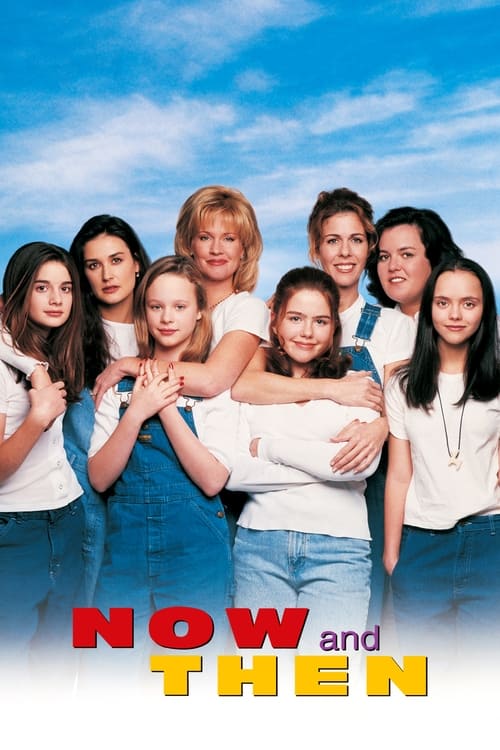
1995
No reviews yet. Be the first to share your thoughts on this movie!
Use the rating form above to leave a star rating and optional review.