Obra maestra
2000
No user ratings available yet
Representation score: 2.9 out of 10
Representation Score
Fair
2000
Director
David Cronenberg
Runtime
6 minutes
Average Rating
No ratings yetNew Showbiz Analysis
The camera serves as a thematic exploration of institutional power rather than a vehicle for identity-based representation. The film's strength lies in its symbolic treatment of technology, presenting the camera as a disruptive force against established professional hierarchies. While the cast suggests a multicultural ensemble, the narrative's brevity prevents a deeper exploration of multi-layered themes. The central conflict remains centered on the tension between a seasoned actor and the unpredictable energy of children. Ultimately, the work occupies a transitional space. It lacks explicit LGBTQ+ or disability representation but earns merit through its deconstruction of authority and its departure from homogeneous casting.
Category Breakdown
The film does not include explicit LGBTQ+ characters or explore non-straight identities. The storyline focuses on generational conflict between an actor and his children rather than queer narratives.
The story revolves around a power struggle between a male veteran actor and a group of children. While it challenges traditional masculine authority, female character arcs are not well-defined.
The cast features multicultural names such as Katie Lai and Natasha La Force, indicating a diverse ensemble. However, the limited runtime restricts the depth of this multi-layered representation.
The film presents the camera as a malevolent, infectious entity, disrupting conventional celebrations of technological and artistic progress through a lens of disruption.
There are no visible or mentioned depictions of physical or neurodivergent disabilities within the provided context.
Present on Screen
Limited or Absent
Official Synopsis
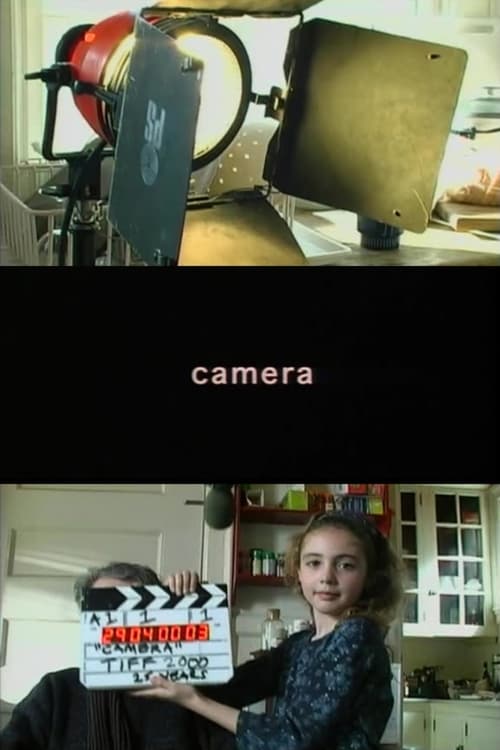
While a veteran actor laments the state of film and film acting, a group of young children sneak a Panavision camera into the apartment where the actor resides and decide to make a film with it.
2000

2011

1980
2015
2005

1997
1981
1995
No reviews yet. Be the first to share your thoughts on this movie!
Use the rating form above to leave a star rating and optional review.