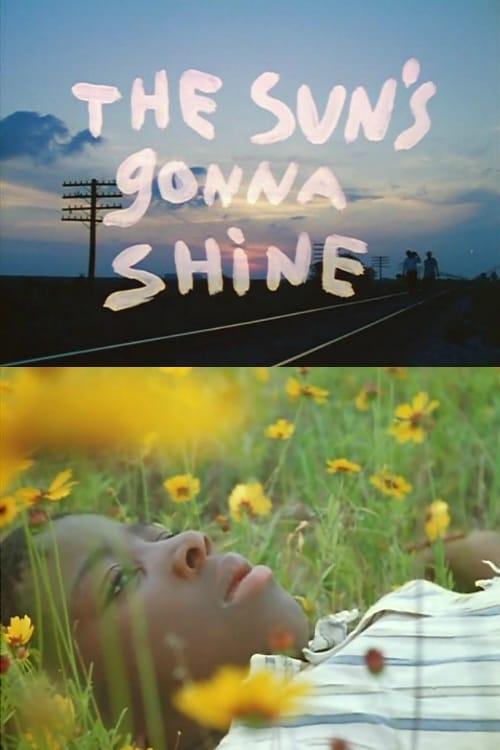
The Sun's Gonna Shine
1969
No user ratings available yet
Representation score: 4.6 out of 10

Representation Score
Limited
1995
Not RatedDirector
Les Blank
Runtime
54 minutes
Average Rating
No ratings yetNew Showbiz Analysis
The film is a focused character study that prioritizes individualistic rebellion over demographic representation. It successfully portrays a profound subversion of institutional norms and capitalist structures through the protagonist's lifestyle. However, the documentary remains rooted in traditional frameworks. It lacks engagement with LGBTQ+ identities and offers limited women's ability to drive the story, operating primarily within a masculine-centric narrative. Ultimately, the work functions as a critique of economic systems rather than a study of multi-layered identity, making it a niche exploration of personal autonomy.
Category Breakdown
The film does not include any visible LGBTQ+ characters or narratives. It focuses solely on the subject's biographical journey without addressing queer themes.
The story centers around a male figure who adopts a traditional masculine 'Singing Cowboy' archetype. It lacks significant women's ability to drive the story and challenges to gender hierarchies.
Diversity is shown through the subject's art, depicting Native American cultures and Western inhabitants. However, these figures are portrayed as historical subjects rather than active participants.
The film strongly critiques capitalism by highlighting the protagonist's rejection of the art market. It emphasizes individual expression over systemic economic conformity.
There is no significant evidence regarding the portrayal of visible or invisible disabilities within the film.
Present on Screen
Limited or Absent
Official Synopsis
What happens when a dedicated husband and father quits his job, adopts the persona of a Western-Movie Singing Cowboy, takes on the entire art establishment (including Christo and Andy Warhol), and refuses to accept money for his art ? Meet Gerry Gaxiola, AKA The Maestro, an ex-wage slave who gave up everything to make art for art's sake. The Maestro's story could inspire a whole new generation of Van Goghs.
1969
2018

2016
1999
2015
2021
1984
2014
No reviews yet. Be the first to share your thoughts on this movie!
Use the rating form above to leave a star rating and optional review.