
You've Been Trumped
2012
No user ratings available yet
Diversity score: 3.0 out of 10
2017
TV-14Director
Miranda Bailey
Runtime
93 minutes
Average Rating
No ratings yetSynopsis
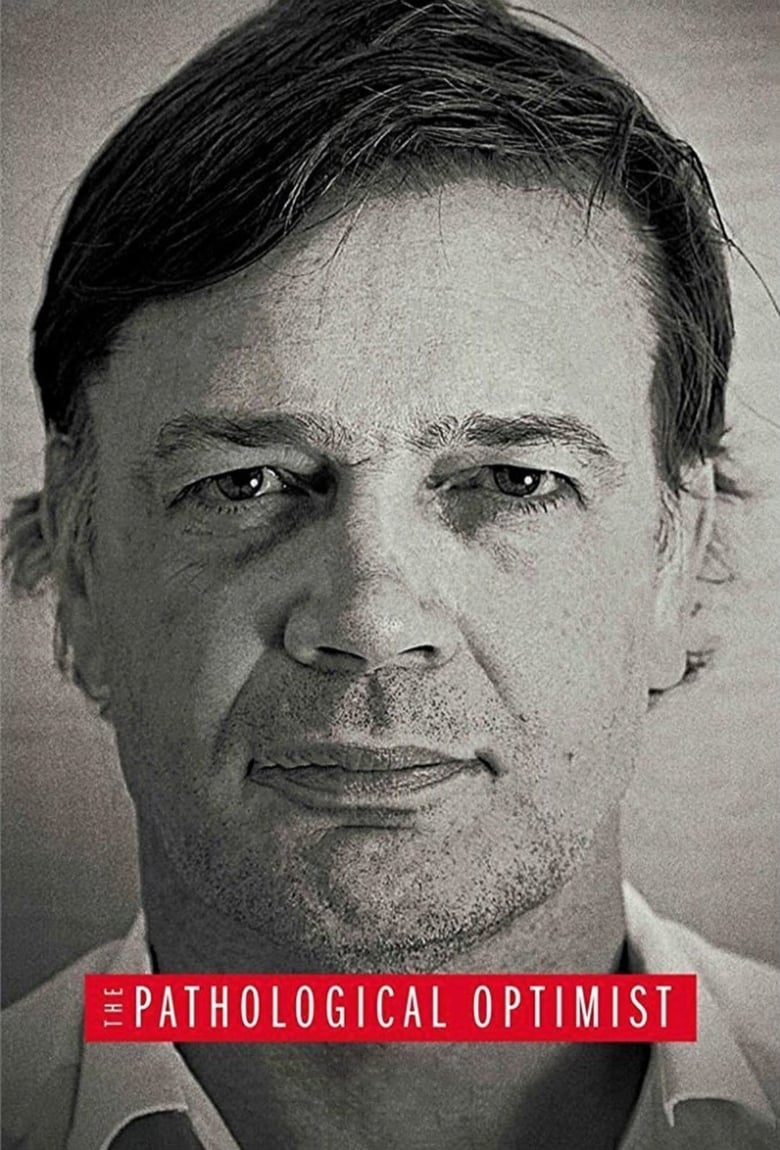
THE PATHOLOGICAL OPTIMIST takes us into the inner sanctum of Wakefield and his family from 2011- 2016 as he fights for his day in court in a little known defamation case against the British Medical Journal. Wakefield attempts to clear his name as the media-appointed Father of the Anti-vaccine movement.
Overall Score
Limited
Category Breakdown
LGBTQ+ Representation
The film lacks any evidence of LGBTQ+ characters or narratives. The focus remains strictly on the legal and familial aspects of the central subject.
Gender Representation
The narrative explores a family unit, suggesting a focus on domestic dynamics. While driven by a male figure, the family context implies a look at gendered roles.
Racial & Ethnic Diversity
The film centers on a specific British legal and medical context. The narrative appears focused on a homogeneous social and professional circle.
Religious & Cultural Diversity
The film explores themes of systemic opposition by centering a figure at odds with scientific consensus. It critiques established Western institutional authority.
Disability Representation
There is no evidence regarding the portrayal of neurodivergence, physical disabilities, or mental health conditions within the film.
Strengths
Areas for Improvement
AI Analysis
The Pathological Optimist is a character-driven documentary that prioritizes the personal and legal struggles of Andrew Wakefield. It functions primarily as a study of institutional friction rather than a vehicle for broad demographic representation. The film finds its footing by challenging the perceived infallibility of Western scientific and journalistic institutions. This focus on individual truth versus institutional orthodoxy provides a unique cultural perspective, even if the cast lacks demographic variety. Ultimately, the documentary lacks significant representation in terms of race, gender subversion, or LGBTQ+ inclusion, remaining a narrow study of a specific professional and familial crisis.
2012
2022
2013

2019

2014
2025
2014
2010

2023
2017
2013
2005
No reviews yet. Be the first to share your thoughts on this movie!
Use the rating form above to leave a star rating and optional review.