
Délits flagrants
1994
No user ratings available yet
Diversity score: 5.2 out of 10
2026
Director
Jon Sistiaga, Juanjo López
Runtime
93 minutes
Average Rating
No ratings yetSynopsis
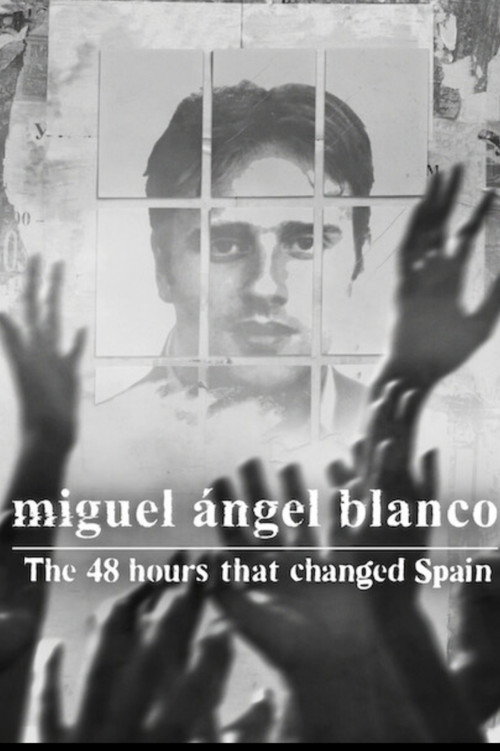
This documentary explores how Miguel Ángel Blanco's 1997 abduction turned fear into collective resistance and shaped Spain's fright Against ETA terrorism.
Category Breakdown
The documentary focuses on a specific political assassination and subsequent social movement. There is no evidence of LGBTQ+ narratives being a central component of this historical account.
The narrative centers on political resistance and terrorism. While female participation was significant in the grassroots mobilization of the era, the lens remains political rather than focused on gender hierarchies.
The subject matter is rooted in the regional tensions of the Basque Country. The film reflects the demographic homogeneity of the 1997 era and the specific identities involved.
The film examines a period of institutional vulnerability and state instability. It prioritizes the agency of the citizenry and how collective resistance can reshape a national consciousness.
There is no indication that neurodivergence or physical disabilities serve as central elements within the investigative arc of this documentary.
Strengths
Areas for Improvement
Score Reasoning
This documentary serves as a rigorous historical inquiry into a pivotal moment of systemic crisis in Spain. It moves from the tragedy of a single abduction to a broader study of how collective civic mobilization can transform fear into resistance. The film's perspective is shaped by the necessity of historical accuracy regarding the 1997 Basque context. Consequently, it does not prioritize intersectional identity politics or non-traditional demographic representation, as the narrative is dictated by the reality of the era. Ultimately, the work offers a sophisticated look at power dynamics between the individual, the community, and the state. It highlights how social movements can reshape national identity during times of profound institutional vulnerability.
1994

2024
2006

2023

2022

2014

2016

2019

2018

2004

2015

1999
No reviews yet. Be the first to share your thoughts on this movie!
Use the rating form above to leave a star rating and optional review.