The Code
2002
No user ratings available yet
Representation score: 4.7 out of 10
Representation Score
Minimal
2007
Director
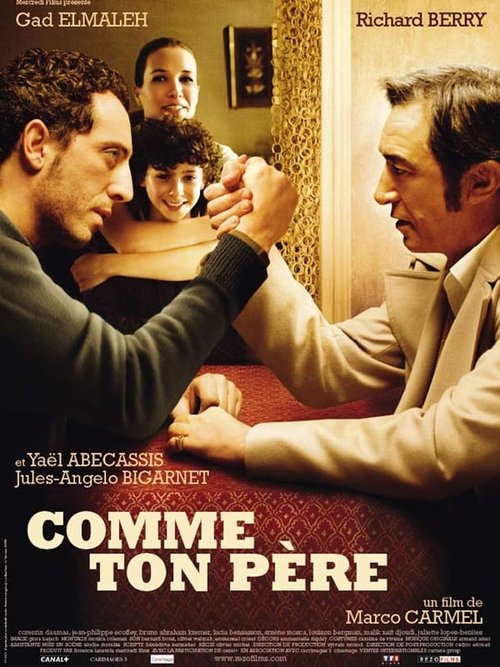
Marco Carmel
Runtime
95 minutes
Average Rating
No ratings yetNew Showbiz Analysis
Comme ton père is a period crime thriller that prioritizes traditional genre clichés over social subversion. The narrative follows a classic descent into organized crime, centered on male-driven plot momentum and the pursuit of power within a criminal hierarchy. While the setting and family name hint at Mediterranean migration and Sephardic heritage, the film stays within the bounds of conventional dramatic storytelling. It focuses on the 'gangster' identity rather than exploring multiple aspects of diversity or systemic cultural critiques. Ultimately, the film functions as a standard crime drama. It emphasizes individual control over their actions and the romanticization of the outlaw archetype rather than diverse social representation.
Category Breakdown
The film centers on a male-dominated criminal underworld and does not include any non-binary or LGBTQ+ identities. It also does not critique the assumption that everyone is straight or cisgender.
The story revolves around male protagonists Félix and Serge, emphasizing traditional masculine leadership roles within the crime genre.
The Maïmon family's arrival in Marseille hints at a narrative of migration and integration. However, the focus remains on the criminal underworld rather than exploring explicit racial dynamics.
The story explores social displacement and criminal subcultures. It leans towards romanticizing the outlaw archetype rather than offering a critical look at Western institutions.
The narrative does not mention any characters with visible or invisible disabilities.
Present on Screen
Limited or Absent
Official Synopsis
1968. La famille Maïmon : Félix, Mireille et leurs deux enfants, Eric et Michel, débarquent à Marseille. Quelques années plus tard, à peine installé à Belleville, Félix fait la connaissance de Serge, un parrain local avec qui il se lie d'amitié. Serge entraîne Félix sur les chemins du grand banditisme, jusqu'à ce que celui-ci se fasse prendre par la police et décide d'endosser, à la place de Serge, la responsabilité de chef de bande.
2002
1970

2008
1974
1997
2013
1969

2005
No reviews yet. Be the first to share your thoughts on this movie!
Use the rating form above to leave a star rating and optional review.