
Harry Brown
2009
No user ratings available yet
Representation score: 5.8 out of 10
Representation Score
Fair
2011
Director
Juan Felipe Orozco
Runtime
90 minutes
Average Rating
No ratings yetNew Showbiz Analysis
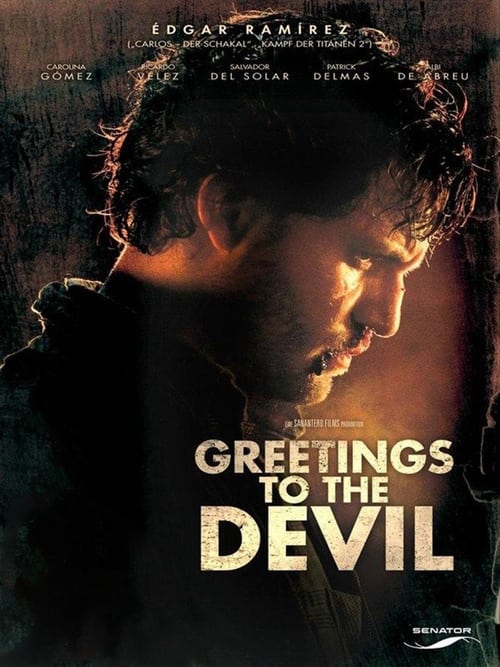
Greetings to the Devil stands out by moving away from Anglo-centric crime clichés. By centering its drama on the aftermath of guerrilla warfare, the film engages deeply with regional socio-political complexities and the cyclical nature of violence. However, the film appears to rely on traditional genre structures. The focus on vengeance and conflict suggests a narrative built around masculine archetypes, leaving little room for visible gender or LGBTQ+ subversion. Ultimately, the film's strength lies in its cultural specificity. It uses a regional lens to challenge simple justice narratives, even if it remains limited in its exploration of diverse identities.
Category Breakdown
The film does not include explicit LGBTQ+ characters or non-straight relationships. The story centers on vengeance and guerrilla conflict, which often prioritize traditional gender roles.
The story follows a crime-thriller framework centered on masculine archetypes of vengeance. While women may play significant roles, the protagonist's role leans toward traditional masculine leadership.
The film offers strong representation by centering Latin American socio-political identities. Characters of color drive the plot through high-stakes ability to act, reflecting regional history and socio-political complexities.
The narrative disrupts Western hero clichés by exploring moral ambiguity in post-conflict societies. It critiques institutional stability and the trauma caused by systemic violence.
There is no information regarding the depiction of physical or neurodivergent disabilities within the film's narrative.
Present on Screen
Limited or Absent
Official Synopsis
A former guerrilla is reluctantly drawn into the vengeance scheme of one of his victims.
2009
2004
2011
2014

2011
2011
2006

2003
No reviews yet. Be the first to share your thoughts on this movie!
Use the rating form above to leave a star rating and optional review.