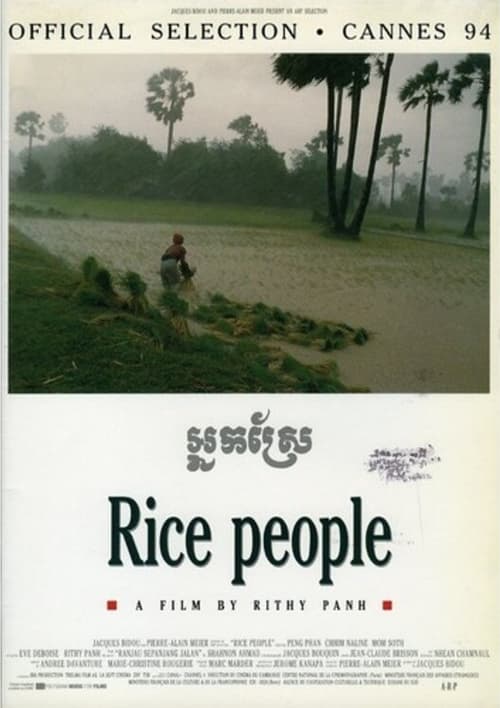
Rice People
1994
No user ratings available yet
Representation score: 3.9 out of 10

Representation Score
Fair
1990
Director
Vladimir Khotinenko
Runtime
148 minutes
Average Rating
No ratings yetNew Showbiz Analysis
Swarm is a bleak study of entropy, using the collapse of a Siberian bee trade to mirror the disintegration of a traditional family unit. The film excels at deconstructing social structures, portraying the breakdown of patriarchal stability and the failure of established institutions. However, the narrative is limited by its cultural homogeneity and a lack of diverse perspectives. The focus on a specific Siberian milieu and the absence of LGBTQ+ identities result in a narrow social scope. Ultimately, the film's strength lies in its critical stance toward traditionalism, even as it relies on potentially reductive depictions of mental instability to illustrate environmental and social decay.
Category Breakdown
The film focuses entirely on the biological and economic survival of the Zavarzin family. There is no evidence of LGBTQ+ identities or same-sex intimacy within the narrative.
The story highlights the failure of traditional masculine roles through characters defined by alcoholism, emigration, and rage. While it disrupts patriarchal stability, it lacks evidence of women taking a leading role in the story.
Set in a Siberian village, the film depicts a culturally homogeneous environment. The narrative is centered on a specific geographic milieu with no evidence of multi-ethnic casting.
The film deconstructs the traditional family and rural ideals through themes of systemic collapse. It prioritizes fatalism and the loss of traditional livelihoods over patriotic or industrious themes.
The younger son's descent into madness provides a portrayal of mental health struggles. It remains unclear if this is handled with real power or used as a tragic plot device.
Present on Screen
Limited or Absent
Official Synopsis
The story of the Siberian Zavarzin family, which has long lived by bee trade. After an incomprehensible virus entered the hives one day, accusations between two neighboring farms reached the intensity of a real war. After all, if there are no bees, then there is no life, and you have to go to the city. The village began to empty before our eyes. The disintegration also occurs within the Zavarzin family: the eldest son gets drunk, the middle one is going to emigrate, the younger one goes crazy, the uncle rages with fat, not knowing where to put his money. And nothing can unite the once strong family anymore.
1994

2016

2018
2008

2004

2011

2022

2019
No reviews yet. Be the first to share your thoughts on this movie!
Use the rating form above to leave a star rating and optional review.