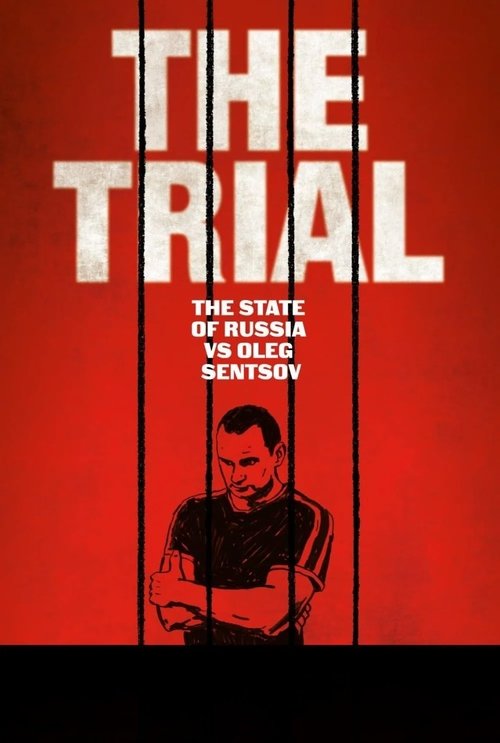
The Trial: The State of Russia vs Oleg Sentsov
2017
No user ratings available yet
Diversity score: 5.4 out of 10
2010
Not RatedDirector
Enrique Piñeyro, Pablo Tesoriere
Runtime
86 minutes
Average Rating
No ratings yetSynopsis
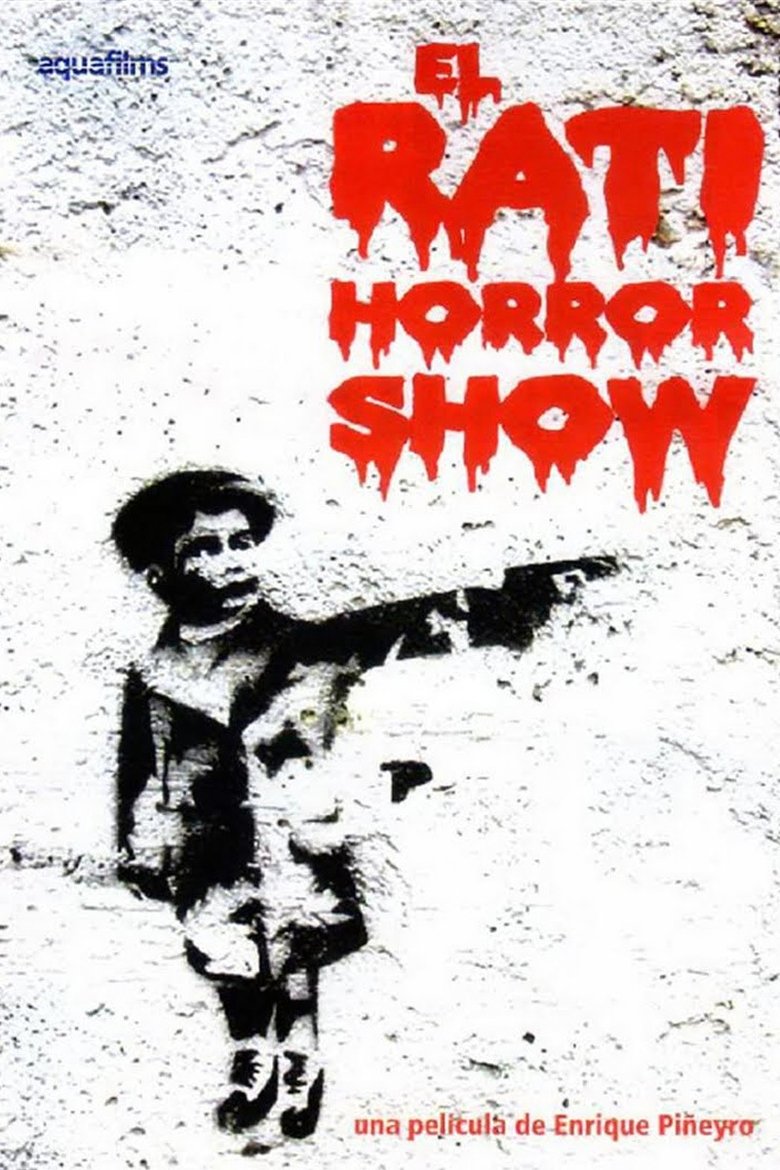
"El Rati Horror Show" is a documentary that portrays the dramatic story of Fernando Ariel Carrera, the case of an ordinary man wrongly sentenced to thirty years in prison - not by mistake but deliberately - through the manipulation of a judicial case in Argentina. The film takes as its central point the way in which Fernando Carrera's case was fabricated: the manipulation and alteration of evidence at the scene of the crime; the manipulation of all national media by Rubén Maugeri, key witness to the events and president of the Association of Friends of Commissary 34. On the other hand, it shows how Fernando Carrera leads his daily life in prison.
Overall Score
Fair
Category Breakdown
LGBTQ+ Representation
The documentary focuses on a legal and systemic injustice case. There is no evidence regarding LGBTQ+ characters or themes of gender identity.
Gender Representation
The film centers on a male protagonist interacting with state institutions. It critiques traditional masculine authority by portraying the police force as corrupt rather than moral leaders.
Racial & Ethnic Diversity
The narrative focuses on an ordinary man within a specific Argentinian socio-political context. There is no specific evidence regarding diverse casting or racialized power dynamics.
Religious & Cultural Diversity
The film offers a strong critique of Western-style institutional structures. It portrays the state and judiciary as oppressive mechanisms rather than agents of justice.
Disability Representation
There is no mention of characters or subjects navigating physical or neurodivergent disabilities within the film's subject matter.
Strengths
Areas for Improvement
AI Analysis
The documentary functions primarily as a critique of state power and institutional corruption in Argentina. It prioritizes the deconstruction of judicial integrity over identity-based representation, focusing on the vulnerability of an individual against a corrupt system. While the film lacks engagement with LGBTQ+, racial, or disability-related themes, it excels in its cultural critique. It successfully challenges the perceived infallibility of law enforcement and the judiciary, framing them as sites of systemic manipulation. Ultimately, the work is a specialized investigative piece. Its narrative strength lies in disrupting conventional expectations of judicial stability rather than exploring a broad spectrum of social identities.
2017

2022

2023

2001

2023

2011
2023

2020

1981

2011
2011

2017
No reviews yet. Be the first to share your thoughts on this movie!
Use the rating form above to leave a star rating and optional review.