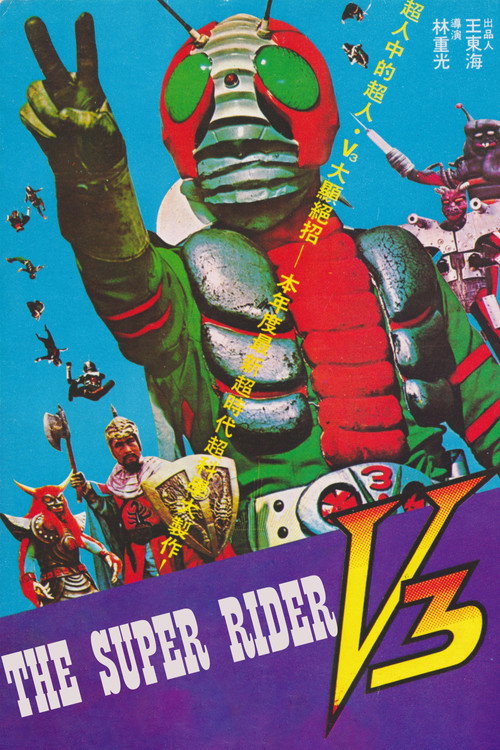
The Super Rider V3
1975
No user ratings available yet
Representation score: 1.3 out of 10
Representation Score
Limited
1975
Director
Lin Chong-Guang
Runtime
98 minutes
Average Rating
No ratings yetNew Showbiz Analysis
This film stands out as a significant example of non-Western genre cinema from the 1970s. By centering East Asian characters and an international cast, it successfully challenges the Anglo-centric heroism common in science fiction of that era. However, the narrative remains socially conservative in its character dynamics. It relies heavily on traditional masculine-driven plots and binary moral structures, which limits its progressive depth. Gender roles are largely confined to conventional clichés.
Category Breakdown
The film does not explicitly depict LGBTQ+ identities or relationships outside of traditional heterosexual norms. The main characters follow a typical masculine dynamic.
The story focuses on male protagonists who have significant control over the narrative. The primary female character, the Magic Queen, seems to play a stereotypical villainous role.
By featuring a predominantly East Asian cast, the film breaks away from Western-centric sci-fi norms, offering meaningful representation within the 1970s action-adventure genre.
The storyline follows a standard battle between good and evil through the Satan Organization. It does not provide a nuanced critique of systemic institutions or moral relativism.
The film does not portray physical or neurodivergent disabilities. The protagonist's transformation is presented as a superhuman enhancement rather than a disability narrative.
Present on Screen
Limited or Absent
Official Synopsis
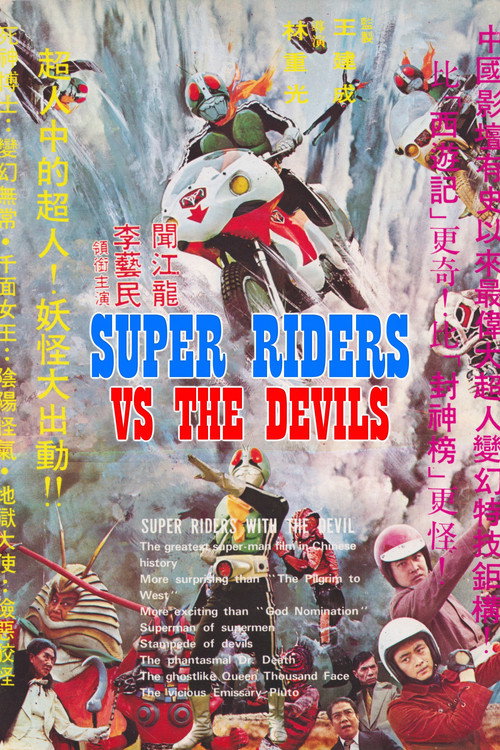
Tang Zhi-Wei is kidnapped by Satan Organization, a syndicate with the plan to conquer Earth, and is saved by Dr. Guo Dong before he could be brainwashed. However, Tang's body had already been transformed so he could turn into a superman at anytime, and Guo Dong informs him that he and another young man, Hong Zi-Qiang, are now the Super Riders. Tang and Hong meet each other and begin to battle with Satan Organization's minions and elite members, Magic Queen, Dr. Death, and Hell Ambassador, who seek the GX Formula to dominate and control the world.
1975
1964
1965
1987
1965

1965
1975

1966
No reviews yet. Be the first to share your thoughts on this movie!
Use the rating form above to leave a star rating and optional review.