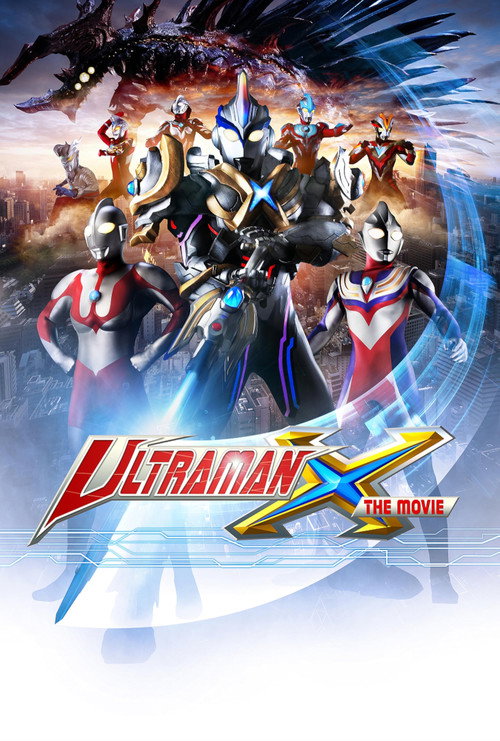
Ultraman X The Movie: Here He Comes! Our Ultraman
2016
No user ratings available yet
Representation score: 3.7 out of 10

Representation Score
Limited
1978
Director
Koichi Takemoto
Runtime
24 minutes
Average Rating
No ratings yetNew Showbiz Analysis
This 1978 production exemplifies the late-70s Tokusatsu genre, prioritizing physical spectacle and traditional hero-versus-villain dynamics over social complexity. The narrative architecture adheres to established masculine and nationalist clichés, functioning within a localized cultural framework that does not aim to disrupt conventional social hierarchies. Ultimately, the episode centers on institutional stability and combat, providing minimal depth or representation of diverse identities.
Category Breakdown
The episode focuses on high-stakes action and conflict without featuring any non-straight identities or same-sex relationships.
The story revolves around a male protagonist and a male Interpol agent, emphasizing traditional masculine roles in combat and law enforcement.
The cast and setting are predominantly Japanese, with the monsters serving as symbolic archetypes rather than nuanced representations of ethnic diversity.
The plot emphasizes traditional structures of law and order through Interpol, focusing on global security without challenging institutional stability.
There are no characters dealing with physical or neurodivergent disabilities, and the Sea-Devil is a mechanical threat rather than a representation of lived experience.
Present on Screen
Limited or Absent
Official Synopsis
The Iron Cross Army are sabotaging oil-tankers with the help of their monster, the Sea-Devil, a semi-mechanical anthropomorphic swordfish with an ability to shoot torpedoes from its mouth. Spiderman employs the help of the interpol agent Juzo Mamiya to help him stop the Iron Cross Army.
2016

2022
2023
1995

1965

1974
2008
1966
No reviews yet. Be the first to share your thoughts on this movie!
Use the rating form above to leave a star rating and optional review.