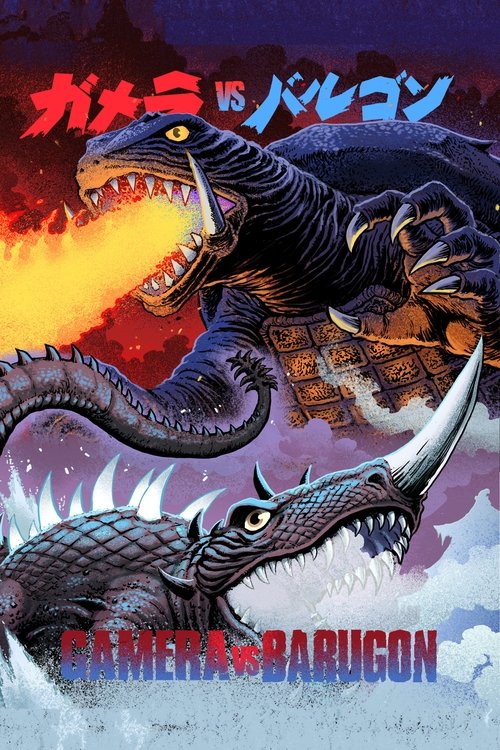
Gamera vs. Barugon
1966
No user ratings available yet
Representation score: 1.2 out of 10
Representation Score
Limited
1976
Director
Chen Hung-Min
Runtime
86 minutes
Average Rating
No ratings yetNew Showbiz Analysis
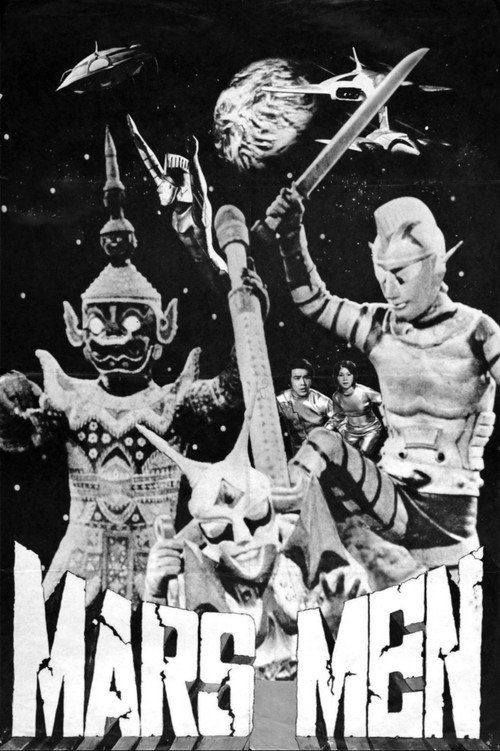
Mars Men is a fascinating example of pragmatic cross-cultural adaptation. By repurposing footage from a Japanese-Thai co-production and layering it with a Taiwanese cast, the film achieves a level of regional diversity that goes beyond single-nation productions. However, the narrative itself remains firmly rooted in the conservative genre clichés of the mid-1970s. While the inclusion of a Thai idol adds a non-Western spiritual layer, the film does not use its fantasy setting to challenge social or gender hierarchies. Ultimately, the film's diversity is more evident in its technical and production history than in its thematic depth or character development.
Category Breakdown
The film does not include any visible LGBTQ+ characters or narratives. It follows the standard straight-centered clichés common in 1970s regional genre cinema.
The story centers around a child and a protective idol, sticking to traditional sci-fi conventions. Female characters do not drive the plot or challenge hierarchies.
The production showcases a unique mix of cultures by featuring a Taiwanese cast with Japanese-Thai special effects. This approach creates a diverse regional texture.
A Thai idol serves as a key plot device, introducing non-Western spiritual elements. However, the film sticks to traditional mythological motifs without complex cultural critiques.
There are no characters with visible or invisible disabilities in the narrative. The focus remains on the central fantasy conflict.
Present on Screen
Limited or Absent
Official Synopsis
A child finds a magic statue in a cave. This is a Thai idol that protects the world from an invasion by extraterrestrial giants. Edited from the Tsuburaya-Chaiyo co-production Jumborg Ace & Giant (1974), combining the special effects footage with newly shot drama scenes featuring a Taiwanese cast to create a loose adaptation of the original story that jettisons the connections to Tah Tien (1973) and Jumborg Ace (1973).
1966
1964
2016
1961

2015

1983
1985
1986
No reviews yet. Be the first to share your thoughts on this movie!
Use the rating form above to leave a star rating and optional review.