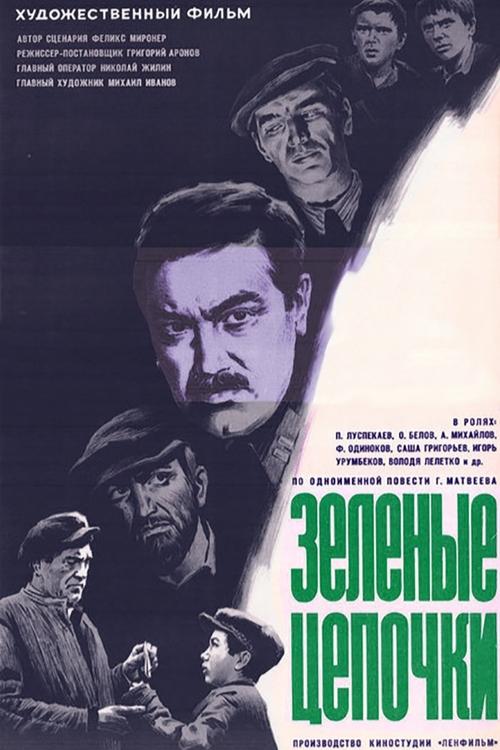
Green Signals
1970
No user ratings available yet
Representation score: 3.2 out of 10

Representation Score
Limited
1949
BtlDirector
Josef Mach
Average Rating
No ratings yetNew Showbiz Analysis
Na dobré stopě is a period-specific adventure film set in a summer camp that explores the psychological aftermath of wartime occupation. While it doesn't offer modern diverse representation, it provides a nuanced view of how individual trauma affects community cohesion. The film's strength lies in its coming-of-age narrative and exploration of trauma. However, it is heavily male-dominated and does not address contemporary identity issues.
Category Breakdown
The film follows the social norms of 1949 and does not include any non-traditional gender identities or same-sex relationships.
The story centers around a boys' summer camp dominated by males. It lacks strong female roles and challenges to traditional gender roles.
The film focuses on local historical events and a mostly white cast. It defines the community by contrasting it with German saboteurs.
The story highlights youth unity and collective defense against systemic threats. It emphasizes communal bonds over traditional leadership roles.
Eda's struggle with social integration shows the impact of psychological trauma. The film portrays his difficulties as a result of systemic violence rather than personal flaws.
Present on Screen
Limited or Absent
Official Synopsis
An adventure story for young people set in a summer camp for boaters in Juná. Eda, marked by a tragic experience of occupation, has difficulty getting along with the other boys. He only gains their trust and friendship when he helps to uncover German saboteurs.
1970
1962
1998

1955
1959

2025

1972
1968
No reviews yet. Be the first to share your thoughts on this movie!
Use the rating form above to leave a star rating and optional review.