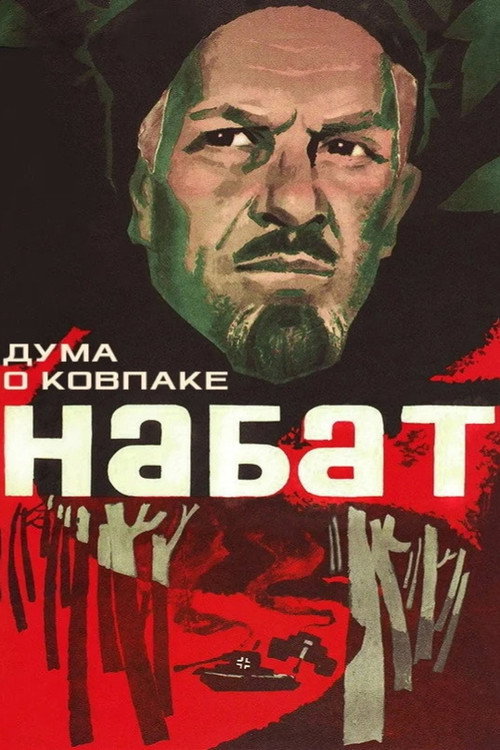
Poem of Kovpak: Alarm
1974
No user ratings available yet
Diversity score: 3.4 out of 10
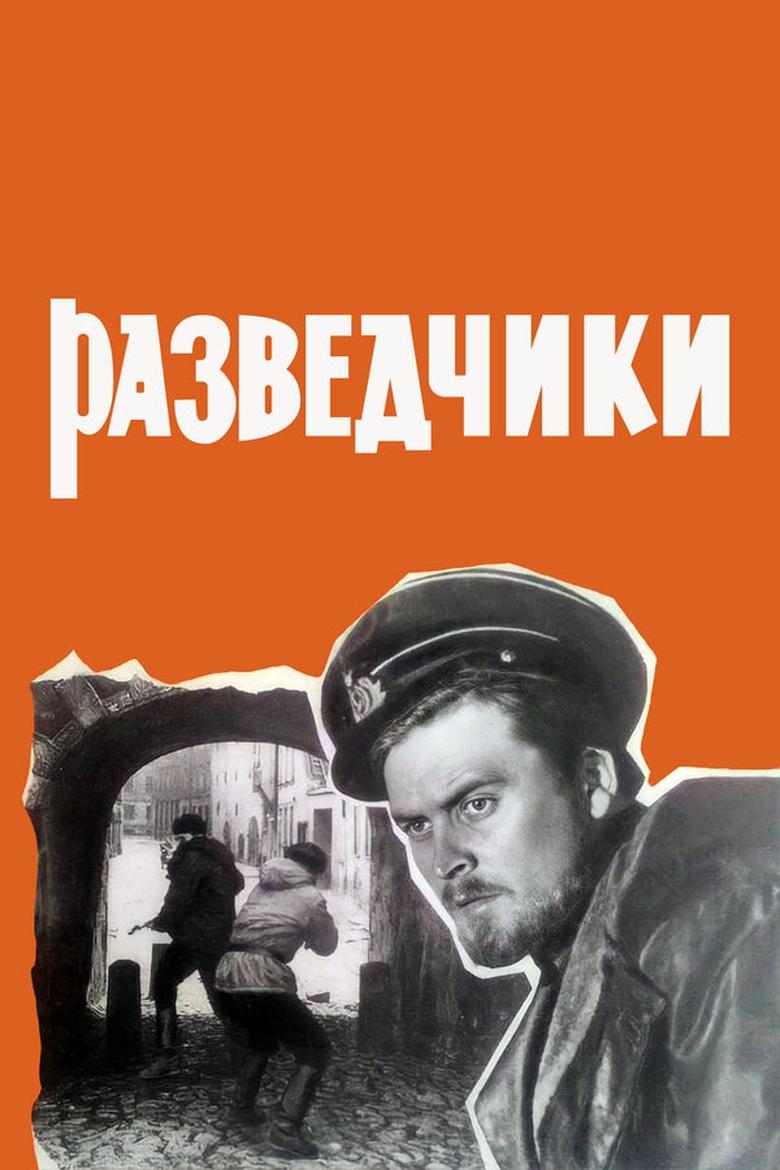
1968
Director
Ihor Samborskyi, Oleksiy Shvachko
Runtime
75 minutes
Average Rating
No ratings yetSynopsis
WWII, 1945. There are fights for the city on the Danube. The river is mined by the Germans, and this fetters the action of our troops. In addition, a city with a million people was left without food. And downstream are Soviet food barges. The command instructs the reconnaissance group a difficult and dangerous operation — to obtain from the enemy a map of the mined sections of the river, which requires penetrating into the city captured by the Germans.
Overall Score
Fair
Category Breakdown
LGBTQ+ Representation
The film lacks LGBTQ+ characters or narratives. It adheres to the traditional social structures of 1968, focusing on military duty and state-aligned objectives.
Gender Representation
The narrative centers on a reconnaissance group, likely emphasizing male-centric leadership and combat roles. Women appear to be relegated to secondary or supportive positions.
Racial & Ethnic Diversity
As a Soviet production, the film likely features a multi-ethnic cast. The setting suggests a diverse ensemble of soldiers and local civilians during the liberation.
Religious & Cultural Diversity
The story emphasizes anti-fascism and the struggle against an oppressive regime. It focuses on communal survival and the humanitarian crisis of a starving city.
Disability Representation
Disability is not a central theme. Physical injuries likely serve as plot devices to illustrate the costs of war rather than providing character agency.
Strengths
Areas for Improvement
AI Analysis
The Scouts is a product of its historical moment, functioning as a genre piece centered on military reconnaissance and humanitarian urgency. It prioritizes state-aligned heroism over modern intersectional identity politics. While the film lacks contemporary progressive complexity, its narrative architecture inherently challenges Axis hierarchies. It emphasizes a multi-ethnic, collective approach to conflict through the lens of Soviet wartime values. Ultimately, the film reflects the traditional social and cinematic norms of the late 1960s, focusing on communal struggle rather than individual identity.
1974
1974
1976
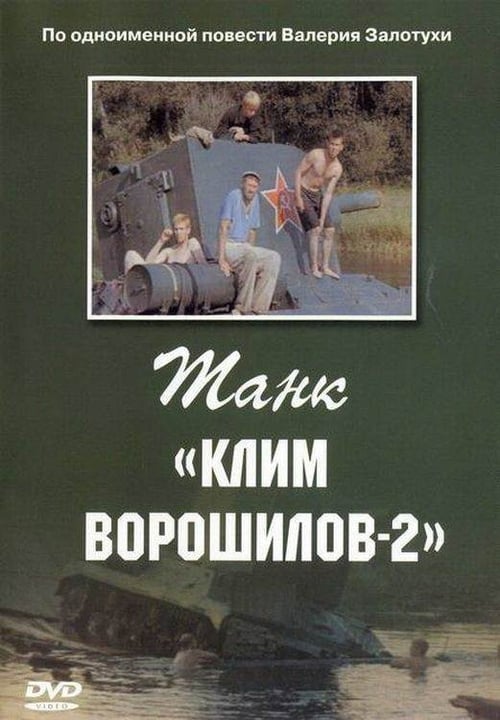
1990
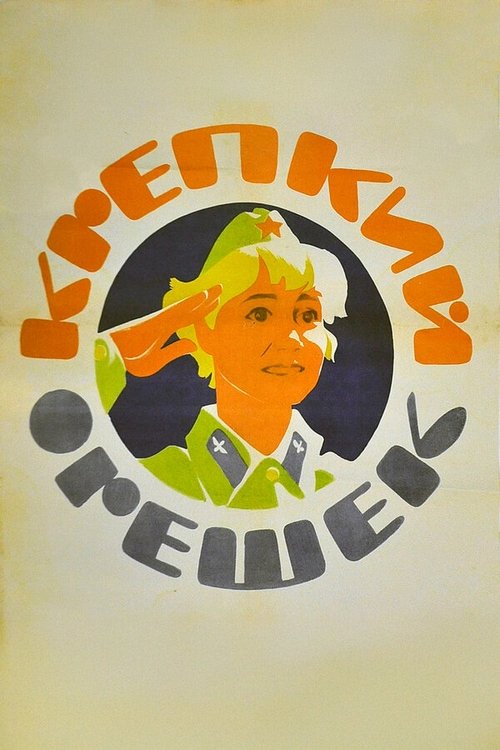
1968
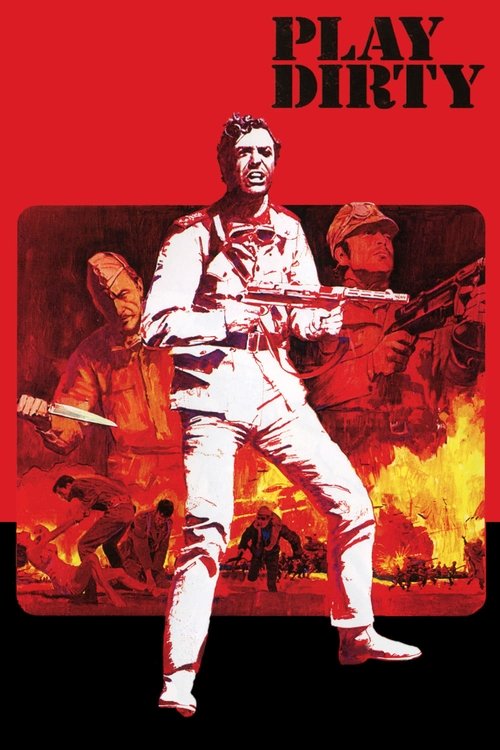
1969
No reviews yet. Be the first to share your thoughts on this movie!
Use the rating form above to leave a star rating and optional review.