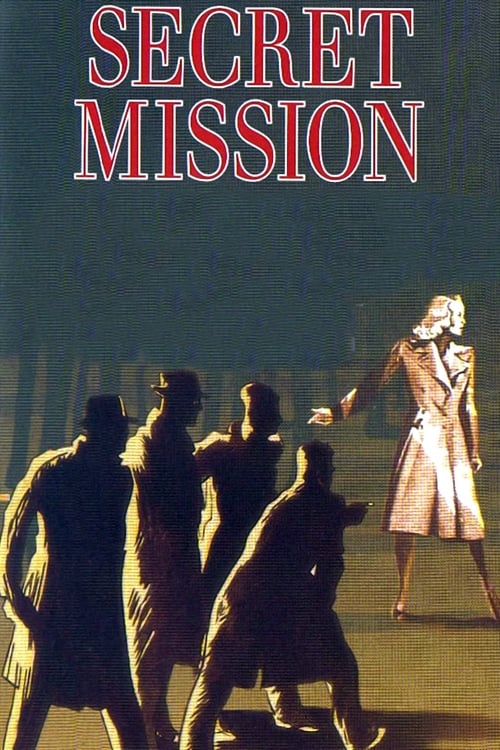
Secret Mission
1942
No user ratings available yet
Representation score: 3.6 out of 10
Representation Score
Limited
1942
ApprovedDirector
Harold French
Runtime
98 minutes
Average Rating
No ratings yetNew Showbiz Analysis
The Day Will Dawn is a quintessential 1940s wartime drama that prioritizes nationalistic heroism and patriotic mobilization. The narrative follows a traditional hero's journey, moving a civilian protagonist into a role of high-stakes involvement against an external aggressor. Because the film is a product of its historical moment, it adheres to the conventional social hierarchies and demographic standards of the early 1940s. It lacks multi-layered complexity, focusing instead on the geopolitical tensions of the era through a narrow lens. Ultimately, the film serves to reinforce established cultural norms and Western institutional stability rather than offering any challenges to identity or social structures.
Category Breakdown
The film focuses on wartime mobilization and traditional heroism. There is no evidence of non-straight identities or critiques of the assumption that everyone is straight or cisgender.
The male protagonist, Colin Metcalfe, plays a significant role in driving the story. The film reinforces traditional masculine leadership and the heroic soldier cliché common in 1940s cinema.
The narrative centers on Western European conflict, which lacks multi-layered racial complexity. The cast likely reflects the homogeneous demographic norms of the British film industry.
The story emphasizes patriotism and national defense. It functions as a reinforcement of Western institutional stability and the established social order during a geopolitical crisis.
There is no evidence of neurodivergent or physically disabled characters being given real depth. Physical impairment in this era often served merely as a plot device for sacrifice.
Present on Screen
Limited or Absent
Official Synopsis
When Hitler invades Poland, sports journalist Colin Metcalfe (Hugh Williams) is unexpectedly reassigned as a foreign correspondent in Norway. En route, his ship is attacked by a German U-boat, but his warning to the Royal Navy is dismissed and he loses his post. With the German invasion of Norway soon after, Metcalfe returns, determined to uncover enemy operations and strike back against the occupiers.
1942
1945
1942

1942
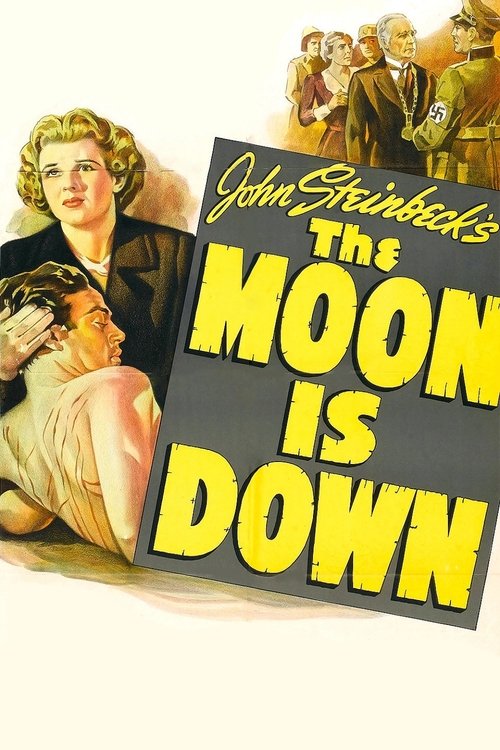
1943
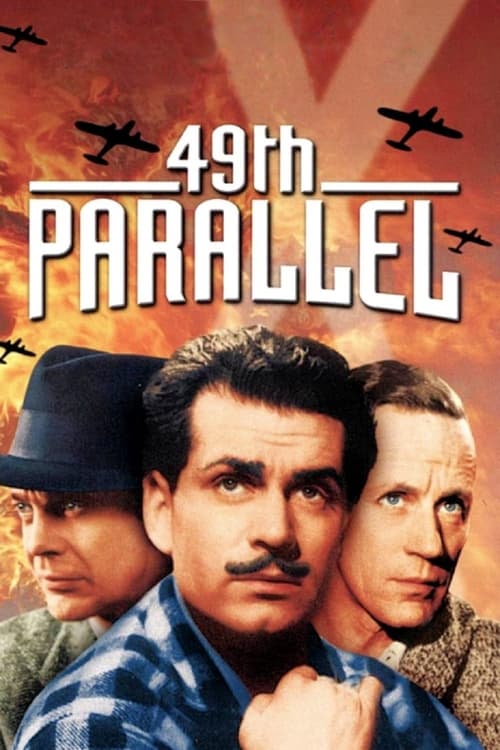
1941
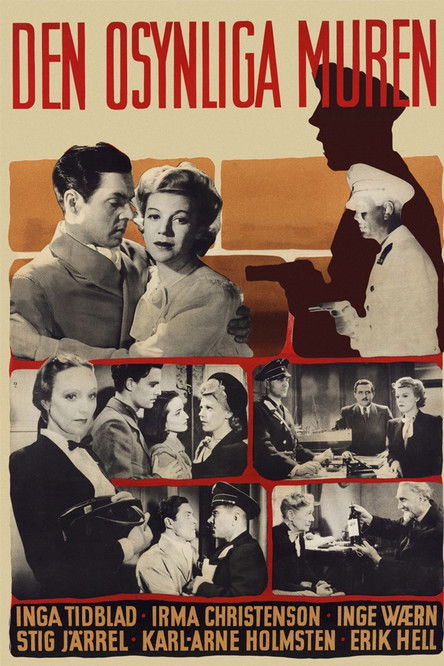
1944
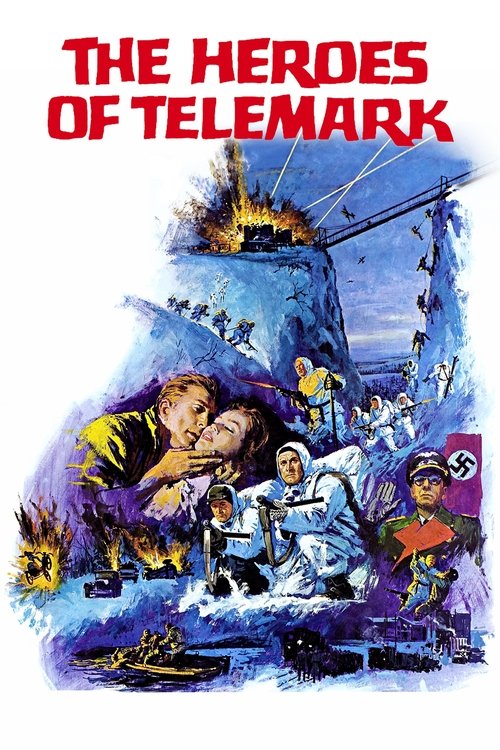
1965
No reviews yet. Be the first to share your thoughts on this movie!
Use the rating form above to leave a star rating and optional review.