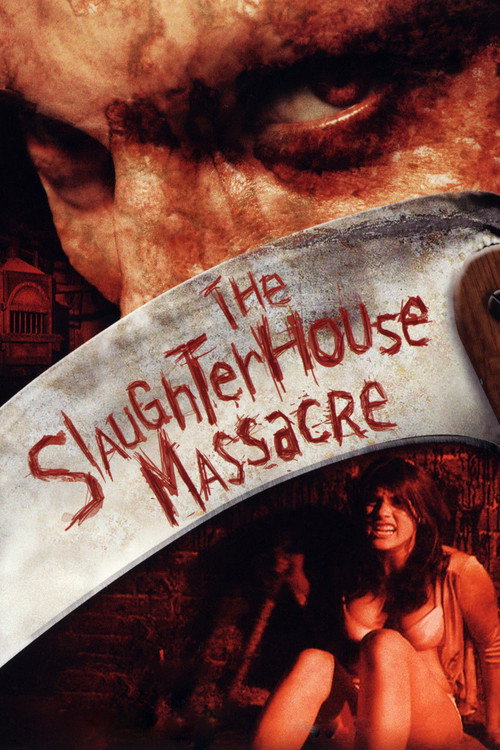
Slaughterhouse On The Hill
2024
No user ratings available yet
Representation score: 3.9 out of 10
Representation Score
Minimal
2005
RDirector
Paul Gagné
Runtime
97 minutes
Average Rating
No ratings yetNew Showbiz Analysis
The Slaughterhouse Massacre follows a standard slasher archetype centered on a supernatural revenge cycle. The narrative structure prioritizes a localized mythos over complex, multi-layered character studies. Since the film adheres to traditional horror conventions, it does not disrupt social expectations. The focus remains on the legend of Marty Sickle rather than demographic representation. Ultimately, the film functions as a genre piece relying on established clichés rather than deconstructing social hierarchies.
Category Breakdown
The film revolves around a cycle of vengeance led by a single male antagonist. There is no representation of LGBTQ+ identities or critiques of heteronormativity.
The story centers on Marty Sickle and a group of college students. It relies on traditional horror archetypes without showing female empowerment or challenging gendered power dynamics.
The narrative suggests a localized and possibly homogeneous setting. There is no indication of a diverse cast or the use of race-bent casting.
The plot explores themes of vigilante justice and communal violence through a traditional horror legend. It does not critique Western institutions or cultural traditions.
The synopsis does not mention any characters with visible or invisible disabilities.
Present on Screen
Limited or Absent
Official Synopsis
A group of students investigate a local legend that the ghost of an accused killer reappears in a slaughterhouse on the anniversary of his death.
2024
2004
2006
2002
2007
2004
2004
2008
No reviews yet. Be the first to share your thoughts on this movie!
Use the rating form above to leave a star rating and optional review.