
Up Against Them All
2004
No user ratings available yet
Representation score: 3.7 out of 10
Representation Score
Fair
2000
Director
Sérgio Rezende
Runtime
100 minutes
Average Rating
No ratings yetNew Showbiz Analysis
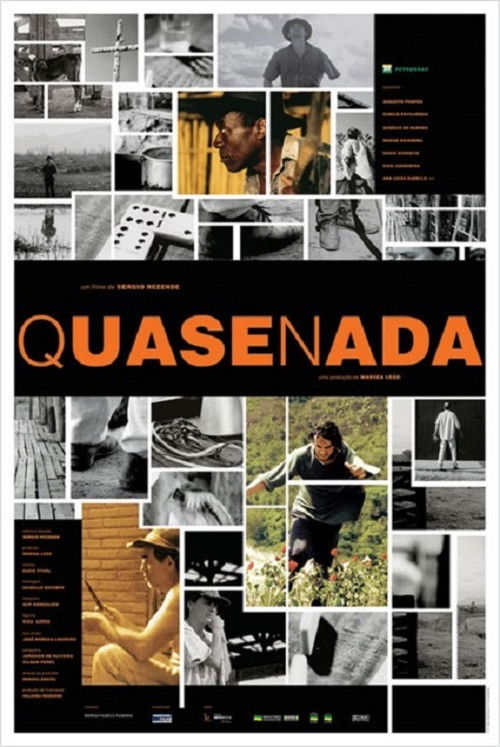
Almost Nothing is a gritty, regionalist character study that avoids idealized heroism. It uses a triptych structure to explore human frailty through themes of envy, obsession, and vengeance within the Brazilian countryside. The film's strength lies in its refusal to follow sanitized narrative structures, offering a dark, nuanced examination of the human condition. However, the work lacks explicit markers of progressive identity politics. The focus remains heavily on traditional masculine archetypes and male-driven motivations, leaving little room for diverse social perspectives.
Category Breakdown
The film focuses on traditional masculine roles like weeders and cowboys. It does not include non-cisgender identities or narratives that question the assumption that everyone is straight.
The plots are driven by male characters, emphasizing envy and revenge. Women play crucial roles in the emotional stakes but often act as catalysts for male actions.
Set in the Brazilian countryside, the film highlights local ethnic and cultural elements. It avoids a Westernized aesthetic, focusing instead on the unique cultural landscape.
The triptych structure explores complex ethical dilemmas and psychological realism. It challenges idealized views of rural life by focusing on tensions and interpersonal dysfunction.
The film does not depict physical or neurodivergent disabilities.
Present on Screen
Limited or Absent
Official Synopsis
Three stories set on Brazil countryside. In Foice, a weeder becomes head of his group and awakes the envy of his best friend. In Veneno, a cowboy cannot sleep, waiting for the revenge from a enemy of the past. And in Machado, a quiet and rude rose maker decides to end his wife's joy of living.
2004

2012

1997
2005

1987
2023
2017
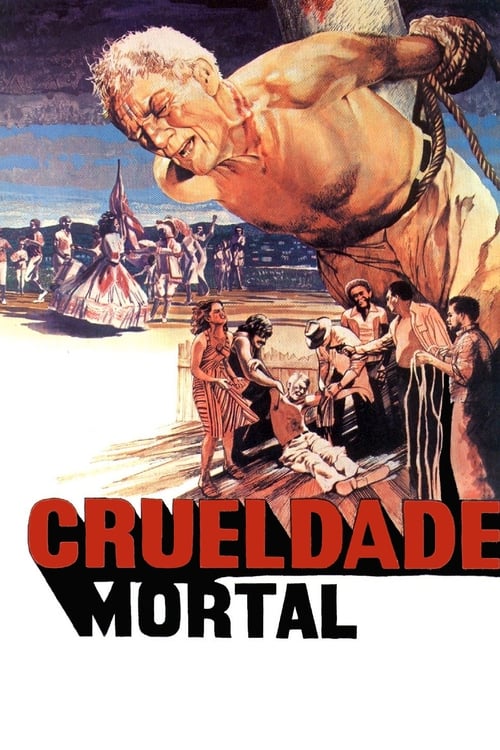
1976
No reviews yet. Be the first to share your thoughts on this movie!
Use the rating form above to leave a star rating and optional review.