
SK1
2015
No user ratings available yet
Representation score: 3.1 out of 10
Representation Score
Limited
2017
PG-13Director
Henrique Goldman
Runtime
100 minutes
Average Rating
No ratings yetNew Showbiz Analysis
The film operates as a traditional crime drama centered on the life of Júlio Santana. It prioritizes the ability to act of a singular, violent male protagonist, aligning with established underworld clichés rather than challenging them. While the Brazilian setting provides a departure from Western-centric norms, the film lacks multi-layered complexity. The focus remains on individual criminality rather than systemic issues.
Category Breakdown
The film does not include any LGBTQ+ characters or non-cisgender identities. The story revolves around a professional killer.
The story centers on a male protagonist who drives the plot through violent actions. It adheres to traditional gender power dynamics.
Set in Brazil, the film reflects the racial complexities of Brazilian urban centers through its setting. It engages with a non-Anglo-Saxon landscape.
The narrative explores systemic violence and moral relativism. However, it does not explicitly address anti-capitalist or anti-Western critiques.
The film does not feature any characters with visible or invisible disabilities. There are no central plot drivers with disabilities.
Present on Screen
Limited or Absent
Official Synopsis
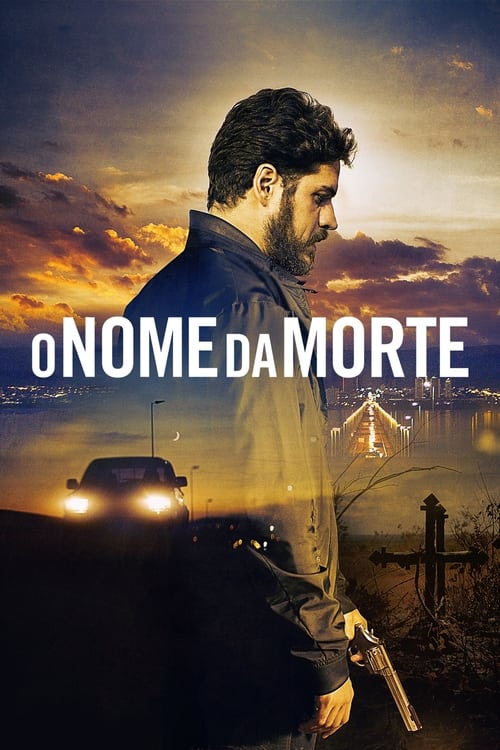
The story of Júlio Santana, a professional killer who was responsible for almost 500 hundred murders in Brazil.
2015

2018
2002
1971
2019
1995
2019
2012
No reviews yet. Be the first to share your thoughts on this movie!
Use the rating form above to leave a star rating and optional review.