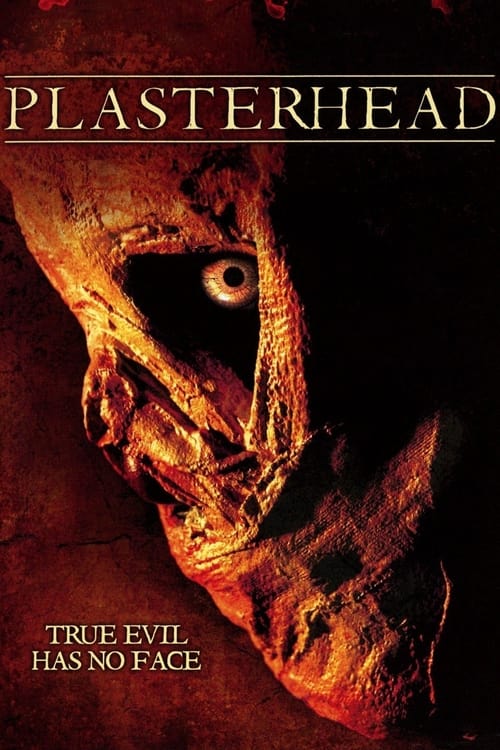
Plasterhead
2006
No user ratings available yet
Representation score: 4.2 out of 10
Representation Score
Fair
2010
TV-MADirector
Jason Daly
Runtime
94 minutes
Average Rating
No ratings yetNew Showbiz Analysis
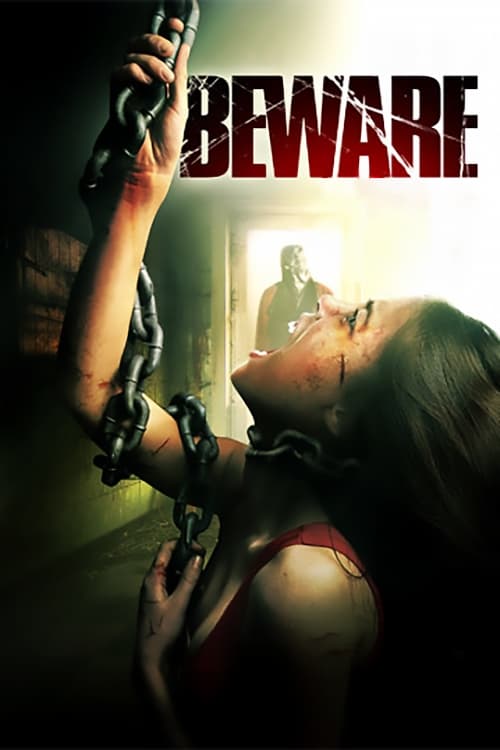
Beware operates within the established boundaries of the slasher genre, prioritizing suspense and urban legend clichés over exploring multiple aspects of identity. The narrative architecture relies on a central, traumatized male figure to drive the horror. The story focuses on familiar horror conventions rather than challenging them. The film introduces themes of physical impairment through Shane but frames his condition as a source of villainy, reinforcing negative stereotypes. The narrative lacks systemic critiques and sticks to familiar horror conventions.
Category Breakdown
The film does not include explicit LGBTQ+ characters or narratives that challenge the assumption that everyone is straight or cisgender. The focus on a group of unsuspecting teens suggests a traditional social structure without giving real power to LGBTQ+ individuals.
The plot centers on Shane, a male antagonist defined by trauma. While five teens are involved, the narrative reinforces traditional horror dynamics through a singular, powerful male threat. The story follows a conventional pattern where a strong male figure drives the action.
There is no information regarding the racial or ethnic composition of the cast. The setting suggests a conventional demographic distribution typical of small-town American horror.
The story utilizes a standard urban legend framework centered on localized folklore. It lacks systemic critiques, focusing instead on a morality tale of survival and dark community secrets. The narrative does not explore deeper cultural or religious themes but sticks to familiar horror conventions.
Shane is depicted as physically impaired and broken. However, the film uses his disability as a source of horror and sadism, aligning with traditional horror archetypes rather than nuanced representation. His condition is framed as a catalyst for villainy, reinforcing negative stereotypes.
Present on Screen
Limited or Absent
Official Synopsis
The town of Shady Grove holds many dark secrets. Amongst those secrets is the sadistic tale of "Shane", a boy who was tortured and chained to a tree as a youngster. Legend has it that for years he survived in the woods all alone until one day he managed to escape. Now, damaged and broken, he wanders those woods in search of blood, with his trademark chains fused to his wrists. Despite years of tales and urban myths, no proof of his existence has ever been discovered, until five unsuspecting teens reveal the truth on an ill-fated trip.
2006
2018
2005
2004

2007
2010
2008
2020
No reviews yet. Be the first to share your thoughts on this movie!
Use the rating form above to leave a star rating and optional review.